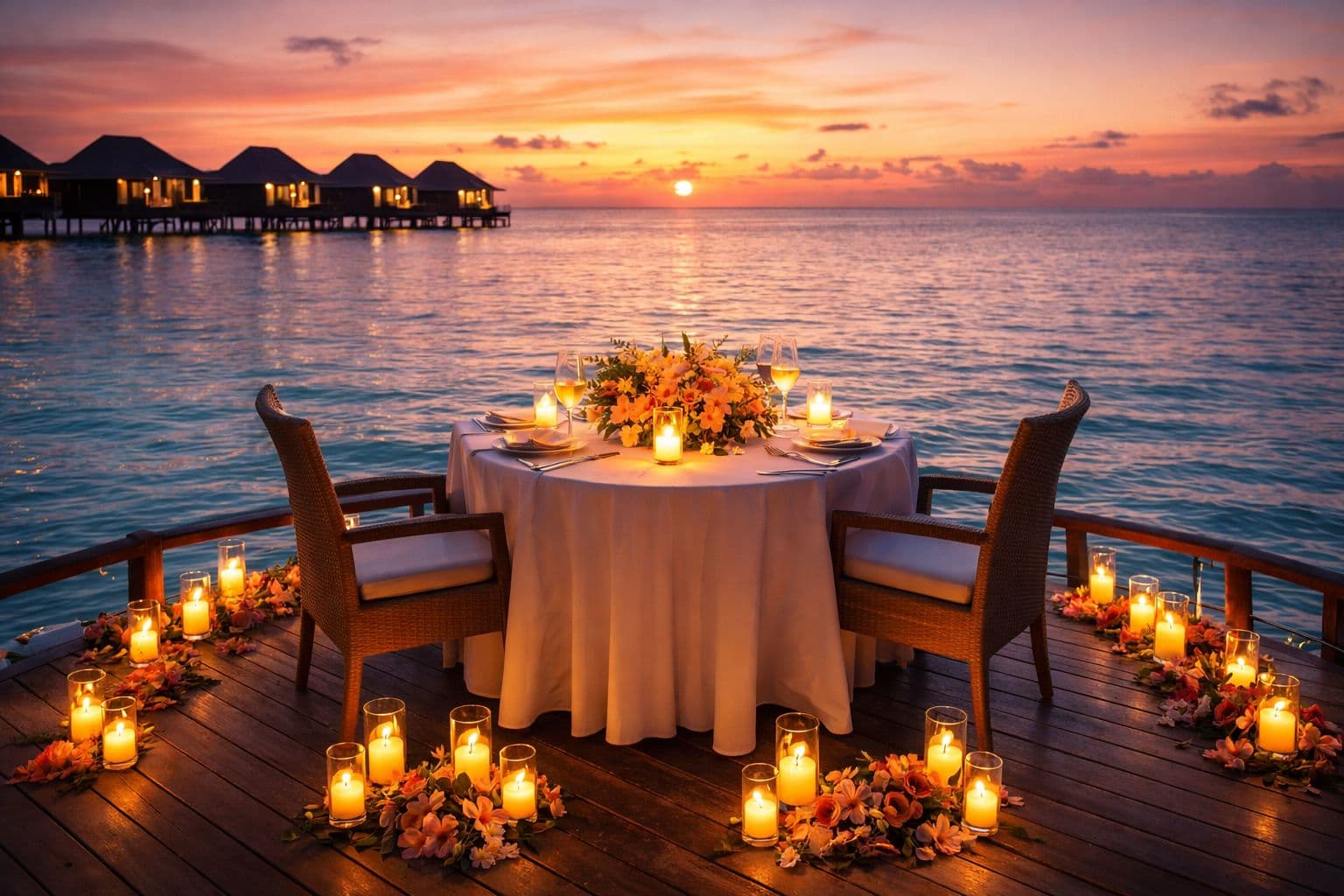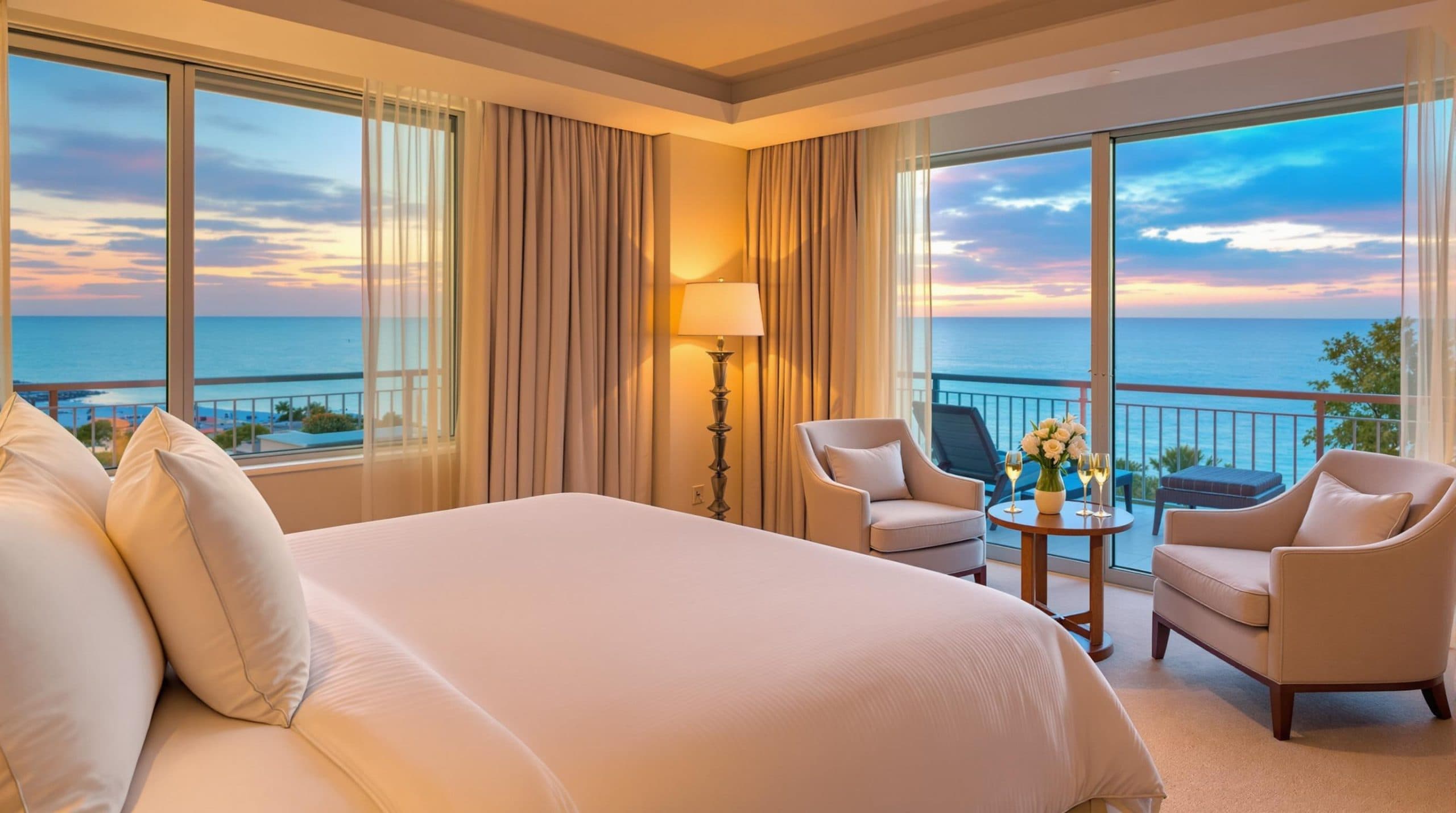
Design a three-day minimoon around the usable time a couple has at your hotel. For a two-night stay, that usually means an arrival day, one full day and a departure day. Build the offer around a comfortable stay and one distinctive experience, then leave enough flexibility for guests to rest or change their pace.
For hotel sales and operations teams, the task is to make the short break easy to understand and deliver. A minimoon is a short honeymoon or celebration break; it does not have a fixed destination, price or required length. Avoid assuming that every nearby trip is inexpensive or that international travel fits every three-day schedule.
Key Takeaways
- State the number of nights as well as the number of calendar days.
- Account for actual arrival, check-in and departure times.
- Cost a small core package before adding optional experiences.
- Promote confirmed arrangements and review your own booking results.
Define the trip your hotel can support
Choose a realistic starting market and check the journey from that location. Include transfers and the trip home, rather than using flight time alone. A package should not depend on a guest arriving early unless that arrival arrangement is confirmed.
Ask what the couple is celebrating and how they want to spend the time. Someone arriving immediately after a wedding may prefer a quiet first evening. Another couple may be taking the trip later and want a full day out. Keep those choices in your intake rather than attaching one assumed itinerary to every booking.
Use the honeymoon package design guide to develop the broader experience, then reduce it to what fits the shorter stay.
Build the schedule around one full day
The example below is an illustrative hotel package outline, not a published offer or a confirmed itinerary at a named property. Activities, meal times and access require the hotel’s own checks.
| Day | Core arrangement | Optional addition | Operational question |
|---|---|---|---|
| Arrival | Standard check-in, time to settle in and a simple dinner plan | A preselected welcome amenity | What happens if the guest arrives late? |
| Full day | Breakfast, one agreed experience and unstructured time | A spa appointment or local activity | Who confirms reservations and handles changes? |
| Departure | Breakfast and a clear checkout plan | Late checkout if separately confirmed | Where can guests leave luggage after checkout? |
Do not stack every available activity into the middle day. Give each experience enough time for travel, preparation and a comfortable return. Mark optional ideas separately from included reservations.
If the main experience is outdoors, choose an alternative that the team can actually provide. Explain whether the guest chooses between options in advance or receives a substitution if conditions change.
Cost a small, dependable core package
Start with the room category and dates, then identify the inclusions that make the stay useful for two people. An illustrative core might include breakfast and one dining experience. It should not automatically include transfers, treatments or private access that staff have not confirmed.
For each component, record supplier cost, staff time, capacity, booking lead time and any charge incurred if the guest cancels. Compare the complete package contribution with selling the same room and services separately. A higher headline package price does not establish a higher margin.
Choose additions guests can understand: a room-category change, a reserved experience or an agreed arrival amenity. State the extra cost and availability before selection. The hotel romance package templates offer ideas to adapt, rather than guaranteed pricing or margin targets.
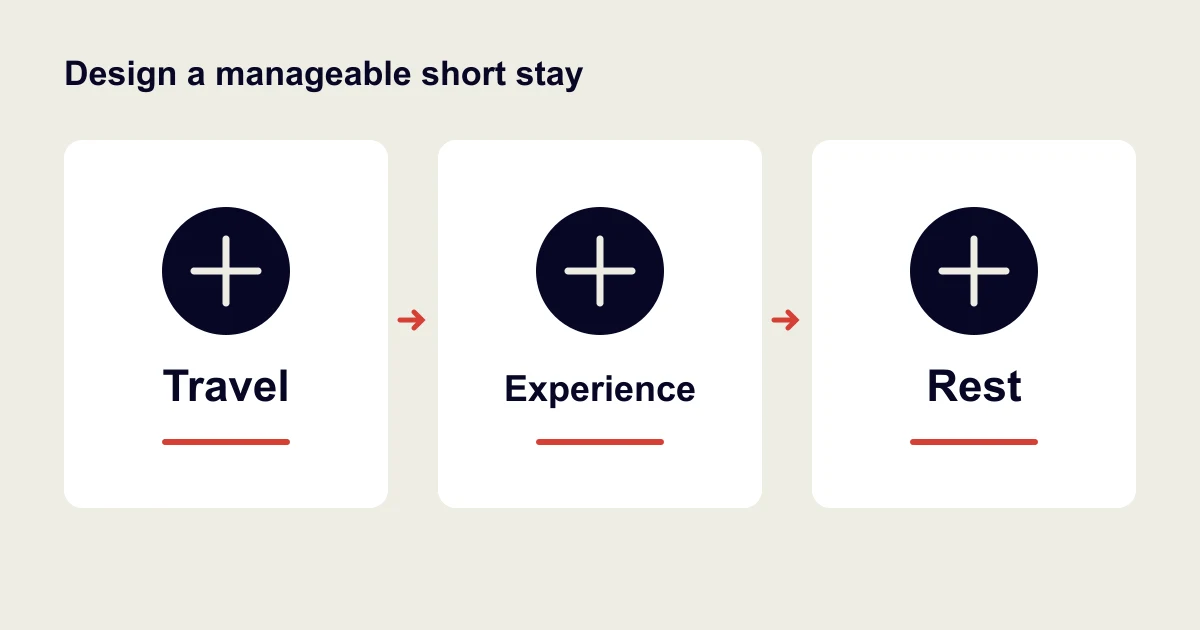
Check that travel leaves usable time for the chosen experience and for rest. The diagram does not represent a named hotel’s offer or evidence that a campaign produced bookings.
Make the handoff work before selling the package
Reservations should know which options the couple selected and which questions still need an answer. Give every included service an owner and a confirmation deadline. A note saying “romantic dinner” is not enough to reserve a location, menu or time.
Agree on how staff will handle late arrivals, missed appointments, weather changes and special requests. Confirm dietary or accessibility arrangements directly with the responsible team. Keep personal information limited to what that team needs to deliver the service.
Before launch, walk through the stay as if you were the guest: arrival message, room confirmation, experience reservation, payment terms and checkout instructions. Check that the sales page and confirmation describe the same package.
Write the offer around specific arrangements
Explain what the stay includes, the applicable dates, the number of nights and the next step. Replace broad promises to “reignite romance” with details a couple can evaluate, such as a quiet arrival evening and a reserved dinner on the full day.
Use accurate property photographs and label illustrative itinerary ideas. If an experience needs manual confirmation, make that visible before the guest treats it as booked. Provider discovery or an inquiry is a different step from a confirmed reservation and payment.
Promote the package through your own website and relevant advisor or planner relationships. Use your observed inquiry-to-arrival patterns to choose timing. Do not assume a platform offers a particular targeting category or that a universal lead time fits all source markets.
Review the stay as well as the campaign
Track where inquiries came from, which dates guests requested, how many completed a booking and which inclusions they used. Ask staff about fulfillment problems and review contribution after delivering the package.
Compare similar periods and record changes in room rates, availability or advertising spend. An increase in traffic alone does not establish a profitable minimoon offer. Use guest feedback to decide whether the schedule left enough free time and whether the arrival arrangements worked.
Develop one offer the team can deliver consistently, then expand the choices when the demand and operating capacity justify it. Explore hotel resources for the wider discovery and inquiry workflow.
Editorial note: LOVU Travel publishes this hotel package-design guide. Its schedule is illustrative and is not a bookable offer. Contact the team to report a correction.