
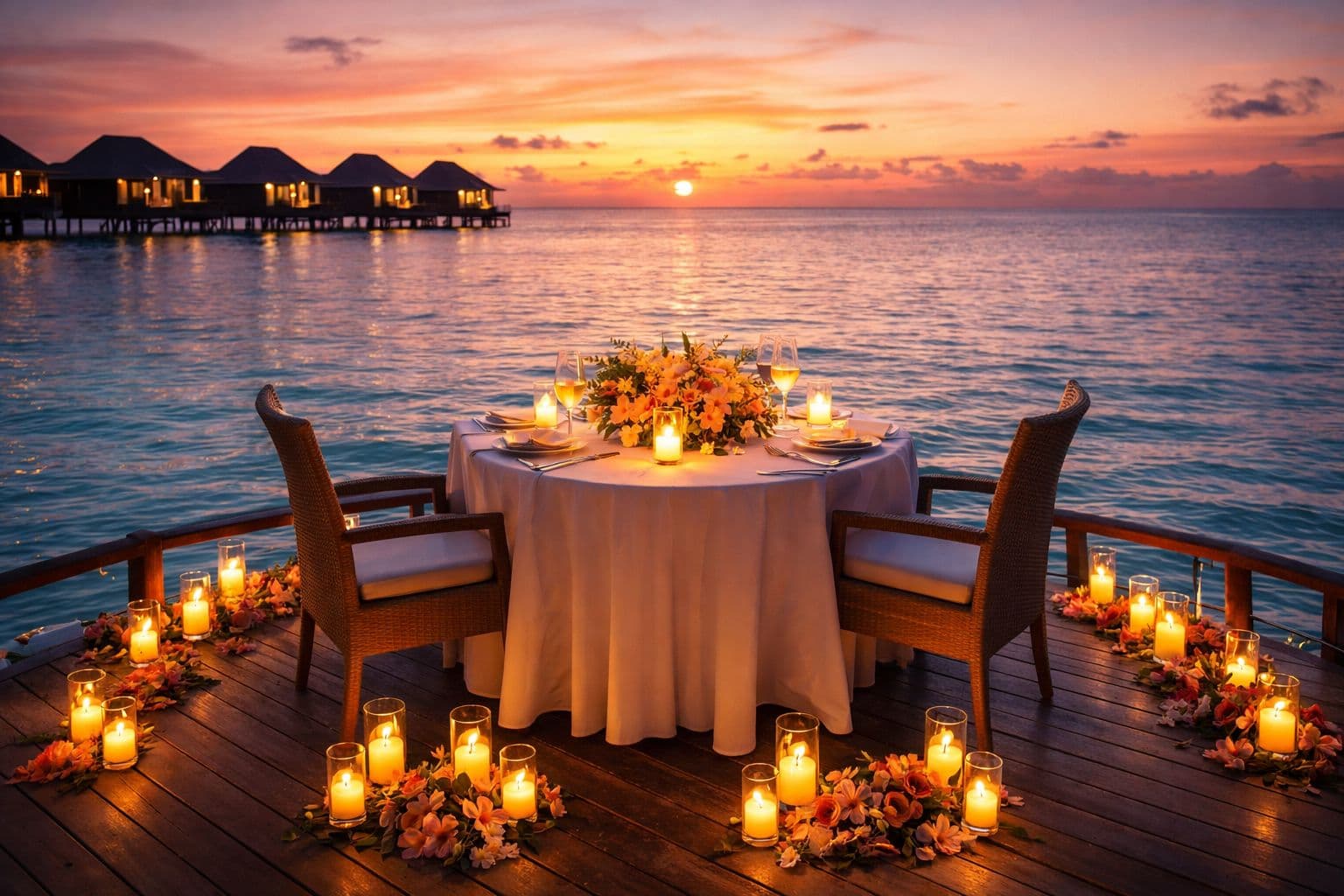
Building a romance travel program from scratch is daunting. Most hotel revenue managers know they should be capturing the honeymoon, anniversary, and couples getaway market — but turning that intention into bookable, profitable packages often stalls at the planning stage. The result? Generic “romance packages” that blend into the noise and fail to convert.
This guide eliminates that bottleneck. Below you will find 15 ready-to-use romance travel package templates, each with specific inclusions, pricing strategy guidance, and a clear marketing angle. Whether you operate a boutique property, a beachfront resort, or an urban lifestyle hotel, you can adapt these templates and have new packages live on your booking engine within weeks.
For properties already running honeymoon programs, these templates pair well with the strategies covered in our guide on designing profitable honeymoon packages. For those looking to capture the growing short-stay segment, our minimoon playbook provides complementary depth.
On the LOVU for Hotels platform, properties can list and distribute these packages directly to couples actively searching for romance travel — giving you a built-in demand channel from day one.
How to Use These Templates
Each template below follows a consistent structure:
- Suggested Inclusions — Room type, food and beverage, activities, and amenities that define the package.
- Pricing Strategy Tips — How to position the package, protect margins, and structure tiers.
- Marketing Angle — Who to target, which channels perform best, and the messaging hook that drives conversion.
Adapt inclusions to match your property’s strengths. Not every hotel has overwater villas or a wine cellar — but every hotel can build at least 5-6 of these templates into compelling, revenue-generating offerings.
The 15 Romance Travel Package Templates
1. Classic Honeymoon Package
The foundation of any romance program. This is the package every property should have, optimized for the post-wedding travel window (typically 1-14 days after the ceremony).
Suggested Inclusions:
- Upgraded room or suite with honeymoon turndown (rose petals, champagne, chocolates)
- Daily breakfast for two (in-room option available)
- One candlelit dinner or private dining experience
- Couples spa treatment (60-90 min)
- Late checkout guaranteed
- Welcome letter and honeymoon amenity (sparkling wine, fruit basket, or local specialty)
- Airport transfer (one-way or round-trip depending on tier)
Pricing Strategy Tips:
- Position at 20-35% above your standard room rate for the same category, bundling F&B and spa at a perceived discount.
- Offer two tiers: a base honeymoon package and a “Premium Honeymoon” with added inclusions (private dinner, extended spa, excursion). The premium tier should carry a 40-50% margin on the incremental add-ons.
- Avoid deep discounting. Honeymoon travelers are less price-sensitive than leisure travelers — they are spending once-in-a-lifetime money.
Marketing Angle:
- Target: Newly engaged and recently married couples, ages 25-38.
- Channels: Instagram and Pinterest (visual platforms), Google Ads targeting “honeymoon + [your destination]”, bridal magazines, and wedding planner referral partnerships.
- Hook: Lead with the emotional payoff — “Your first trip as a married couple deserves to be unforgettable.” Avoid generic language like “romantic escape.”
2. Destination Wedding Group Package
A high-revenue, multi-room package that captures the wedding party, families, and the couple in a single booking block.
Suggested Inclusions:
- Room block for 10-50 guests with tiered pricing (standard, upgraded, suite for the couple)
- Ceremony venue access and setup coordination
- Reception or dinner for all guests (per-head pricing)
- Wedding cake or dessert service
- Bridal suite with early check-in and late checkout
- Dedicated wedding coordinator or liaison
- Group activity or welcome event (cocktail reception, beach bonfire)
- Preferred rates for A/V, floral, and photography vendor partners
Pricing Strategy Tips:
- Structure as a minimum room-night commitment (e.g., 20 room-nights across the block) with F&B minimums for the event.
- Price the couple’s suite and wedding coordination as a flat fee; price guest rooms at a group rate 10-15% below rack to encourage uptake.
- Revenue upside comes from F&B, event services, and extended stays. The room block is the anchor, not the profit center.
Marketing Angle:
- Target: Couples planning destination weddings (typically 8-18 months out), wedding planners, and travel advisors who specialize in group travel.
- Channels: Wedding planning platforms (The Knot, Zola), direct outreach to destination wedding planners, Google Ads targeting “destination wedding + [your region].”
- Hook: Emphasize ease and coordination — “One venue, one team, one unforgettable celebration.” Planners want to know you can handle logistics seamlessly.
3. Anniversary Celebration Package
Recurring revenue opportunity. Unlike honeymoons, anniversaries happen every year — and milestone anniversaries (5th, 10th, 25th, 50th) drive premium spending.
Suggested Inclusions:
- Room upgrade (one category above booking)
- Anniversary cake or dessert with personalized message
- Bottle of champagne or premium wine in-room
- Couples dining experience (prix fixe or chef’s table)
- Commemorative gift (framed photo, engraved keepsake, or local artisan item)
- Option to recreate elements of their wedding (same flowers, same music playlist)
- Photo session (30-minute professional shoot at the property)
Pricing Strategy Tips:
- Price at a 15-25% premium over standard rates. Anniversary travelers often book 2-4 nights, making the per-night premium modest.
- Create a milestone tier for 10th, 25th, and 50th anniversaries with elevated inclusions (private dinner, extended photo session, suite upgrade). These travelers expect — and will pay for — a more bespoke experience.
- Build in a return incentive: a discount code or credit for rebooking the following year.
Marketing Angle:
- Target: Married couples 30-70+, especially those approaching milestone years. Also target adult children planning surprise anniversary trips for parents.
- Channels: Email marketing to past guests (your CRM is your best asset here), Facebook Ads (strong for the 40+ demographic), and Google Ads targeting “anniversary trip ideas.”
- Hook: “Celebrate the years you’ve built together.” For milestone packages, lean into nostalgia and legacy.
4. Proposal Package (With Setup Coordination)
High-margin, high-emotion package. The person proposing is nervous, time-pressed, and willing to pay a premium for flawless execution.
Suggested Inclusions:
- Premium room or suite with proposal-night turndown
- Proposal setup coordination (location scouting on-property, floral arrangement, candles, signage)
- Hidden photographer or videographer (partnered vendor or in-house)
- Celebration champagne and dessert post-proposal
- Post-proposal dinner reservation (secured in advance)
- “She/He/They said yes” amenity kit (additional champagne, breakfast-in-bed for the morning after)
- Concierge hotline for the proposer to coordinate details discreetly
Pricing Strategy Tips:
- This package is service-heavy, not room-heavy. Price the coordination and setup as a flat fee ($300-$800 depending on complexity) on top of the room rate.
- Photography/videography should be offered as a premium add-on with a vendor revenue share (typically 15-20% commission).
- Margin target: 50-60% on the coordination fee. Your cost is primarily staff time, florals, and consumables.
Marketing Angle:
- Target: Individuals planning a proposal, typically 25-40, searching discreetly online.
- Channels: Google Ads (high-intent keywords like “proposal packages near me,” “hotel proposal setup”), TikTok and Instagram Reels (showcase past proposals with permission), and concierge referral networks.
- Hook: “We handle every detail so you can focus on the moment.” Emphasize discretion, reliability, and a track record of successful setups.
5. Babymoon Wellness Package
Growing segment. Babymoons have moved from niche to mainstream, and expecting couples actively seek properties that cater to their specific needs.
Suggested Inclusions:
- Spacious room or suite with extra pillows, pregnancy-safe bath products, and a curated minibar (non-alcoholic options)
- Prenatal spa treatment for the expecting parent (certified prenatal massage therapist)
- Partner massage or wellness treatment
- Healthy dining options with dietary accommodation (menu flagged for common pregnancy restrictions)
- Relaxation-focused activity: guided meditation, gentle yoga session, or nature walk
- Nursery planning or baby keepsake activity (optional fun add-on)
- Late checkout and flexible cancellation policy (important for this demographic)
Pricing Strategy Tips:
- Price in line with or slightly above standard couples packages — 10-20% premium. The value proposition here is curation and safety, not extravagance.
- Ensure your spa team has prenatal certification — this is a non-negotiable for liability and guest safety. If you do not have certified therapists, partner with an external provider or omit the spa element.
- Flexible cancellation is a competitive differentiator. Offer full refund up to 48-72 hours before arrival.
Marketing Angle:
- Target: Expecting couples, typically in the second trimester (the preferred travel window), ages 28-40.
- Channels: Parenting and pregnancy blogs, Instagram (pregnancy and lifestyle influencers), Google Ads targeting “babymoon destinations + [region].”
- Hook: “One last getaway before everything changes — designed for your comfort and peace of mind.” Address safety and relaxation front and center.
6. Adventure Romance Package
For couples who find romance in adrenaline. This package targets an underserved segment — couples who want shared experiences, not just candlelit dinners.
Suggested Inclusions:
- Room with gear storage or outdoor access (balcony, patio)
- Two adventure activities from a curated menu (zip-lining, kayaking, rock climbing, snorkeling, horseback riding, hiking)
- Post-adventure couples spa or recovery treatment (sports massage, hydrotherapy)
- Adventure picnic or sunset dinner at a scenic outdoor location
- GoPro rental or professional action photography add-on
- Reusable water bottles, trail mix, and branded adventure kit
Pricing Strategy Tips:
- Structure as base room rate + activity bundle. Price the activity bundle at a 15-25% discount compared to purchasing activities individually, creating clear perceived value.
- Margins on activities vary. Owned activities (kayaks, hiking guides on payroll) carry strong margins; outsourced activities (zip-line operators, dive centers) typically offer 15-25% commission.
- Offer an “all-inclusive adventure” tier with unlimited activities for a flat daily rate — this encourages longer stays.
Marketing Angle:
- Target: Active couples, ages 25-45, who travel for experiences rather than relaxation.
- Channels: Adventure travel blogs, YouTube (destination adventure content), Instagram Reels, and partnerships with outdoor brands or local adventure operators.
- Hook: “Fall in love with the rush — and each other.” Lead with the experience, not the room.
7. Eco-Romance Sustainable Getaway
Aligning romance with values. Sustainability-minded couples are a growing and vocal segment — they actively seek out and recommend properties that align with their environmental commitments.
Suggested Inclusions:
- Eco-certified or sustainability-focused room (energy-efficient, locally sourced materials)
- Farm-to-table dining experience with locally sourced ingredients
- Nature-based activity (guided nature walk, wildlife watching, reef-safe snorkeling)
- Carbon offset for the couple’s travel to the property (included in the package price)
- Tree planting or coral restoration activity in the couple’s name
- Reusable amenity kit (bamboo toothbrushes, organic toiletries, refillable water bottles)
- Impact report card at checkout showing the couple’s environmental contribution during their stay
Pricing Strategy Tips:
- Price at a 15-30% premium over standard packages. Eco-conscious travelers consistently demonstrate higher willingness to pay for sustainable options.
- Ensure claims are verifiable. Greenwashing risk is real — pursue recognized certifications (Green Key, LEED, EarthCheck) and be transparent about your practices.
- Partner with local conservation organizations for activities. These partnerships are often low-cost or free (the organization gains exposure) and add enormous perceived value.
Marketing Angle:
- Target: Environmentally conscious couples, ages 25-45, often Millennials and Gen Z.
- Channels: Eco-travel platforms, sustainability-focused Instagram accounts, B Corp and green business directories, and Google Ads targeting “sustainable honeymoon” or “eco-friendly romantic getaway.”
- Hook: “Romance that gives back to the planet.” Lead with impact, not sacrifice — this audience wants to feel good about their choice, not guilty.
8. Minimoon Weekend Package
Short, high-margin, and increasingly popular. The minimoon — a 2-4 night romantic getaway shortly after the wedding — captures couples who cannot take a full honeymoon immediately. For a deep dive into this segment, see our minimoon strategy guide.
Suggested Inclusions:
- Upgraded room or suite for 2-3 nights
- Daily breakfast in bed or at the restaurant
- One signature dining experience (tasting menu or chef’s table)
- Couples spa express treatment (60 min)
- Welcome amenity (champagne, local treats)
- Late checkout on departure day
- Curated local experience (walking tour, market visit, gallery hop)
Pricing Strategy Tips:
- Price as an all-inclusive flat rate for the full stay rather than per night. This simplifies the decision and increases perceived value.
- Flat-rate pricing also protects margins — bundle your highest-margin inclusions (spa, F&B) into the headline price.
- Target a 30-40% blended margin across the package.
- Offer a “minimoon now, honeymoon later” credit — a $200-$500 credit toward a future extended stay. This drives return bookings.
Marketing Angle:
- Target: Newly married couples within 0-3 months of their wedding, typically ages 25-38. Many are dual-income professionals with limited PTO.
- Channels: Wedding planning platforms (post-wedding retargeting), Instagram, Google Ads targeting “minimoon packages” and “weekend honeymoon.”
- Hook: “You don’t need two weeks to start your forever.” Emphasize that short does not mean less special.
9. Vow Renewal Package
Underutilized and high-potential. Vow renewals are growing in popularity, especially among couples celebrating 10+ year milestones. The emotional weight is comparable to a wedding, but the logistics are simpler — and the couple is paying directly.
Suggested Inclusions:
- Ceremony-ready venue (garden, terrace, beach, chapel) with basic setup (arch, chairs for 10-30 guests)
- Officiant or coordinator to guide the ceremony
- Floral arrangement (small bouquet, boutonniere, altar flowers)
- Reception or dinner for the couple and guests (customizable headcount)
- Professional photography (1-2 hours)
- Couples spa treatment
- Commemorative certificate or keepsake
- Suite for the couple with celebration turndown
Pricing Strategy Tips:
- Structure as a base ceremony fee + per-head F&B pricing + optional add-ons (extended photography, live music, videography).
- The ceremony fee should cover venue, basic setup, and coordination — price at $500-$2,000 depending on your property’s positioning.
- Upsell opportunity: offer a “full renewal experience” that mirrors a wedding (rehearsal dinner, morning-after brunch, multi-day stay).
Marketing Angle:
- Target: Married couples (10+ years), often ages 35-65. Also target adult children organizing renewals for their parents.
- Channels: Facebook (strong for this age demographic), email campaigns to your past guest database, Google Ads targeting “vow renewal venues” and “vow renewal packages.”
- Hook: “Fall in love all over again — this time with no seating chart stress.” Lean into the joy of celebration without the planning burden of a first wedding.
10. Couples Spa & Wellness Retreat
Wellness tourism is booming, and couples represent a premium sub-segment within it. This package positions your spa as the centerpiece, not an afterthought.
Suggested Inclusions:
- 3-5 night stay in a wellness-focused room (blackout curtains, aromatherapy diffuser, sleep menu)
- Daily couples spa treatment (rotating: massage, facial, body wrap, hydrotherapy)
- Wellness consultation on arrival (personalized itinerary based on goals: relaxation, detox, fitness, sleep)
- Healthy dining plan (wellness menu, juice bar access, dietary customization)
- Daily wellness activity (yoga, meditation, breathwork, sound healing, guided hike)
- Digital detox amenity (phone lockbox, book and journal set)
- Departure wellness kit (aromatherapy, tea, self-care guide)
Pricing Strategy Tips:
- This is a premium package — price at 40-60% above standard room rates, justified by the intensive spa and programming inclusions.
- Spa treatments are your margin driver. If your spa capacity allows, this package can deliver 50-65% margins on the wellness components.
- Offer 3-night and 5-night tiers. The 5-night version should include more premium treatments and feel meaningfully elevated.
- Consider shoulder-season pricing to fill spa capacity during slow periods.
Marketing Angle:
- Target: Health-conscious couples, ages 30-55, with above-average disposable income. Strong overlap with the fitness and mindfulness audience.
- Channels: Wellness media and publications, Instagram wellness influencers, Google Ads targeting “couples wellness retreat” and “spa getaway for couples.”
- Hook: “Reconnect with each other — and yourselves.” Position the retreat as a reset, not just pampering.
11. Wine/Food Romance Experience
Culinary tourism meets romance. This package appeals to couples who bond over shared culinary experiences and view food and wine as central to travel.
Suggested Inclusions:
- Room with in-room wine amenity (local wine selection or premium pairing kit)
- Private or small-group wine tasting at a local vineyard or your property’s cellar
- Cooking class for two (local cuisine, led by your chef or a guest chef)
- Multi-course tasting dinner with wine pairing
- Gourmet picnic or market tour experience
- Artisan food gift (local olive oil, honey, chocolate, or spice set) to take home
- Sommelier-guided pairing session or mixology class
Pricing Strategy Tips:
- Price based on the quality and exclusivity of the culinary experiences. A package with a private vineyard tour and chef’s table dinner commands a higher premium than a group cooking class.
- Target a 25-40% margin overall. F&B margins vary — wine experiences with partner vineyards often carry 20-30% commission; in-house cooking classes and chef’s table dinners can reach 50%+ margins.
- Partner with local vineyards, farms, and artisan producers. These partnerships reduce your costs and add authenticity.
Marketing Angle:
- Target: Food and wine enthusiasts, ages 30-60. Skews toward higher income and more frequent travelers.
- Channels: Food and wine publications, culinary travel blogs, Instagram (food photography is inherently shareable), and partnerships with wine clubs or culinary tour operators.
- Hook: “Savor every moment together.” Lead with the sensory experience — beautiful food photography and vivid descriptions outperform generic romance imagery for this audience.
12. Beach Wedding + Honeymoon Combo
One booking, two events, maximum revenue. This package captures couples who want to simplify their planning by combining the wedding and honeymoon at a single destination.
Suggested Inclusions:
Wedding Component:
- Beach ceremony venue with setup (arch, chairs, aisle decor for up to 30 guests)
- Wedding coordinator or day-of liaison
- Reception dinner on the beach or in a private dining room
- Wedding cake
- Floral package (bouquet, boutonniere, altar arrangement)
- Photography (4-6 hours)
- Guest room block at preferred rates
Honeymoon Component (post-wedding, same property):
- Suite upgrade for 3-5 additional nights
- Daily breakfast
- Couples spa treatment
- Sunset cruise or private excursion
- In-room honeymoon amenities
Pricing Strategy Tips:
- Price the wedding and honeymoon components separately but offer a combined discount (10-15% off the total when booked together). This anchors the value proposition.
- The wedding component should follow event pricing logic — base fee + per-head F&B + add-ons. The honeymoon component follows the Classic Honeymoon template above.
- Total package value for a 30-guest wedding + 4-night honeymoon should target $8,000-$25,000+ depending on your market positioning.
- Revenue from the guest room block is incremental — do not discount aggressively.
Marketing Angle:
- Target: Couples planning beach or destination weddings, typically 6-18 months out, ages 25-40.
- Channels: Wedding planning platforms, destination wedding Pinterest boards, Instagram, and travel advisor partnerships.
- Hook: “Your wedding and honeymoon, one stunning destination, zero extra planning.” The convenience angle is the primary driver for this segment.
13. Cultural Romance Immersion
For couples who want depth, not just atmosphere. This package targets travelers who choose destinations for their cultural richness and want to experience a place together, not just relax in it.
Suggested Inclusions:
- Room with locally inspired design or heritage wing
- Guided cultural tour (historical sites, local neighborhoods, sacred spaces)
- Artisan workshop for two (pottery, weaving, painting, traditional cooking)
- Traditional performance or live music experience (private or reserved seating)
- Locally sourced dining experience with cultural context (chef explains the history and significance of each dish)
- Cultural keepsake (handmade by the couple during a workshop, or sourced from local artisans)
- Language or cultural etiquette mini-lesson (fun, 30-minute session)
Pricing Strategy Tips:
- Price at a 20-30% premium over standard rates. The value is in the curation and exclusivity of access, not in physical amenities.
- Partner with local guides, artisans, and cultural organizations. Many of these partnerships cost less than traditional hotel amenities (a pottery workshop with a local artisan may cost you $50-$80 per couple while delivering $200+ in perceived value).
- Offer a “deep immersion” upgrade with additional half-day or full-day cultural excursions for couples staying 4+ nights.
Marketing Angle:
- Target: Well-traveled, culturally curious couples, ages 28-55. Often repeat international travelers who have “done” the beach resort and want something more meaningful.
- Channels: Travel publications and blogs focused on cultural travel, Google Ads targeting “cultural honeymoon” or “romantic cultural trip,” and partnerships with cultural tourism boards.
- Hook: “Discover a new culture — and new sides of each other.” Position the shared experience as a relationship builder, not just sightseeing.
14. Luxury Overwater/Villa Romance Package
The aspirational package. This template is for properties with premium, standalone accommodations — overwater bungalows, private villas, treehouses, or similar distinctive room types.
Suggested Inclusions:
- Overwater bungalow, private villa, or standalone luxury accommodation (3-7 nights)
- Butler or dedicated concierge service
- Daily breakfast served in-villa or on the private deck
- Private candlelit dinner (on the deck, beach, or a secluded location)
- Couples spa treatment in-villa or at a private spa pavilion
- Private excursion (snorkeling, island hopping, sunset sail — exclusive to the couple)
- Premium welcome amenity (Veuve Clicquot, artisan chocolate, floral arrangement)
- Sunset or sunrise couples photography session
- Departure gift (framed photo, custom illustration of the villa, or handwritten note from the GM)
Pricing Strategy Tips:
- This is your highest-margin romance package. Price at a 50-100% premium over your standard luxury room rate, justified by the exclusivity, privacy, and bespoke service.
- The butler/concierge inclusion is a differentiator, not a cost center — the upsell opportunities (additional excursions, premium dining, spa add-ons) that a dedicated service person generates typically exceed their cost by 3-5x.
- Minimum stay requirements (3-night minimum) are appropriate and expected at this tier.
- Offer an “ultra” tier with a private chef, personal photographer for the full stay, and customized excursion itinerary.
Marketing Angle:
- Target: High-net-worth couples, ages 30-60. Honeymoons, milestone anniversaries, and “just because” luxury travel.
- Channels: Luxury travel advisors (this segment books heavily through advisors — invest in advisor FAM trips and commission structures), high-end travel publications (Conde Nast Traveler, AFAR), and aspirational Instagram content.
- Hook: “A world built for two.” Sell the feeling of absolute privacy and exclusivity. This audience responds to scarcity and uniqueness, not discounts.
15. Budget-Friendly Romance Escape
Do not overlook this segment. Budget-conscious couples still spend on romance — they just need to see clear value. This package lets you capture volume bookings while protecting your brand positioning.
Suggested Inclusions:
- Standard room with romantic turndown (candles, petals, chocolates — low cost, high impact)
- Breakfast for two (daily, at the restaurant)
- One shared dessert or cocktail experience (champagne toast, dessert platter)
- Self-guided local experience (curated map with romantic spots, free walking tour recommendations, sunset viewing locations)
- Small in-room amenity (local chocolates, handwritten welcome note)
- Late checkout (subject to availability)
- Optional add-on menu with a la carte upgrades (spa, dinner, excursion) at package pricing
Pricing Strategy Tips:
- Price at 5-10% above your standard room rate, keeping the total package cost accessible. The goal is volume and incremental F&B revenue, not high per-booking margins.
- The a la carte add-on menu is critical. 30-40% of budget package guests will add at least one upgrade, and those add-ons carry strong margins.
- Position this package as “smart” or “curated,” not “cheap.” Language matters — use “essentials,” “curated escape,” or “romance starter” rather than “budget” or “affordable” in guest-facing materials.
- This package is ideal for midweek and shoulder-season fill — offer it on less popular travel dates to maximize incremental revenue.
Marketing Angle:
- Target: Younger couples (22-32), students, early-career professionals, and couples celebrating smaller milestones (dating anniversaries, Valentine’s Day, birthdays).
- Channels: TikTok (this demographic lives here), Google Ads targeting “cheap romantic getaway” and “affordable couples trip,” and social media promotions with clear pricing.
- Hook: “Big romance, smart budget.” Show that a memorable couples trip does not require a five-figure spend.
Implementation Roadmap
Launching all 15 packages simultaneously is unnecessary and operationally risky. Follow this phased approach:
Phase 1 — Launch within 2 weeks (highest demand, lowest complexity):
| Package | Why First |
|---|---|
| Classic Honeymoon | Foundational; highest search volume |
| Anniversary Celebration | Recurring revenue; leverages existing CRM |
| Minimoon Weekend | Fast-growing segment; short stay = lower ops burden |
| Budget-Friendly Romance Escape | Volume driver; minimal new inclusions needed |
Phase 2 — Launch within 30-60 days (moderate complexity, strong revenue):
| Package | Why Second |
|---|---|
| Proposal Package | High margin; requires photographer/coordinator partnership |
| Couples Spa & Wellness Retreat | Premium margin; requires spa capacity planning |
| Wine/Food Romance Experience | Requires vendor partnerships (vineyard, chef) |
| Babymoon Wellness Package | Requires prenatal-certified spa staff |
Phase 3 — Launch within 60-90 days (higher complexity, premium positioning):
| Package | Why Third |
|---|---|
| Adventure Romance | Requires activity vendor partnerships and safety protocols |
| Eco-Romance Sustainable Getaway | Requires sustainability credentials and impact tracking |
| Cultural Romance Immersion | Requires local cultural partnerships |
| Vow Renewal | Requires event coordination capabilities |
| Beach Wedding + Honeymoon Combo | Highest complexity; requires full event infrastructure |
| Luxury Overwater/Villa Romance | Requires premium inventory and dedicated staff |
| Destination Wedding Group Package | Requires group sales infrastructure and event team |
Measuring Package Performance
Once packages are live, track these metrics monthly:
- Booking volume per package (which templates resonate)
- Revenue per available room (RevPAR) for package bookings vs. standard bookings
- Average ancillary spend per package guest (are add-ons converting?)
- Guest satisfaction scores specific to package inclusions
- Repeat booking rate (especially for anniversary and wellness packages)
- Channel attribution (where are package bookings originating?)
Review and adjust inclusions, pricing, and marketing spend quarterly based on this data.
Turning Templates into Revenue
These 15 templates give you a concrete starting point — but the properties that outperform are the ones that customize relentlessly. Adapt inclusions to your property’s strengths, test pricing across segments, and listen to post-stay feedback to refine each package over time.
For distribution support, explore how LOVU for Hotels connects your romance packages directly with couples searching for exactly what you offer. Getting the right package in front of the right traveler at the right time is where templates become bookings.
The romance travel market rewards specificity. Generic “couples packages” underperform targeted, well-structured offerings by 2-3x in conversion rate. The templates above give you that specificity — now it is a matter of execution.