A direct booking offer for couples needs a clear reason to choose it and details the hotel can deliver. Explain the room, experiences and terms together so guests can compare the complete stay. Amenities can support that decision, but no individual perk guarantees a booking or a particular conversion increase.
The seven ideas below are options for your own property to assess, not verified packages at named hotels. Use them alongside the wider hotel wedding marketing guide when deciding how to present your romance offer.
Key Takeaways
- Describe what is included and what costs extra.
- Distinguish a confirmed benefit from a request subject to availability.
- Check capacity with the teams responsible for each experience.
- Measure completed stays and delivery costs as well as inquiries.
1. Room features guests can actually select
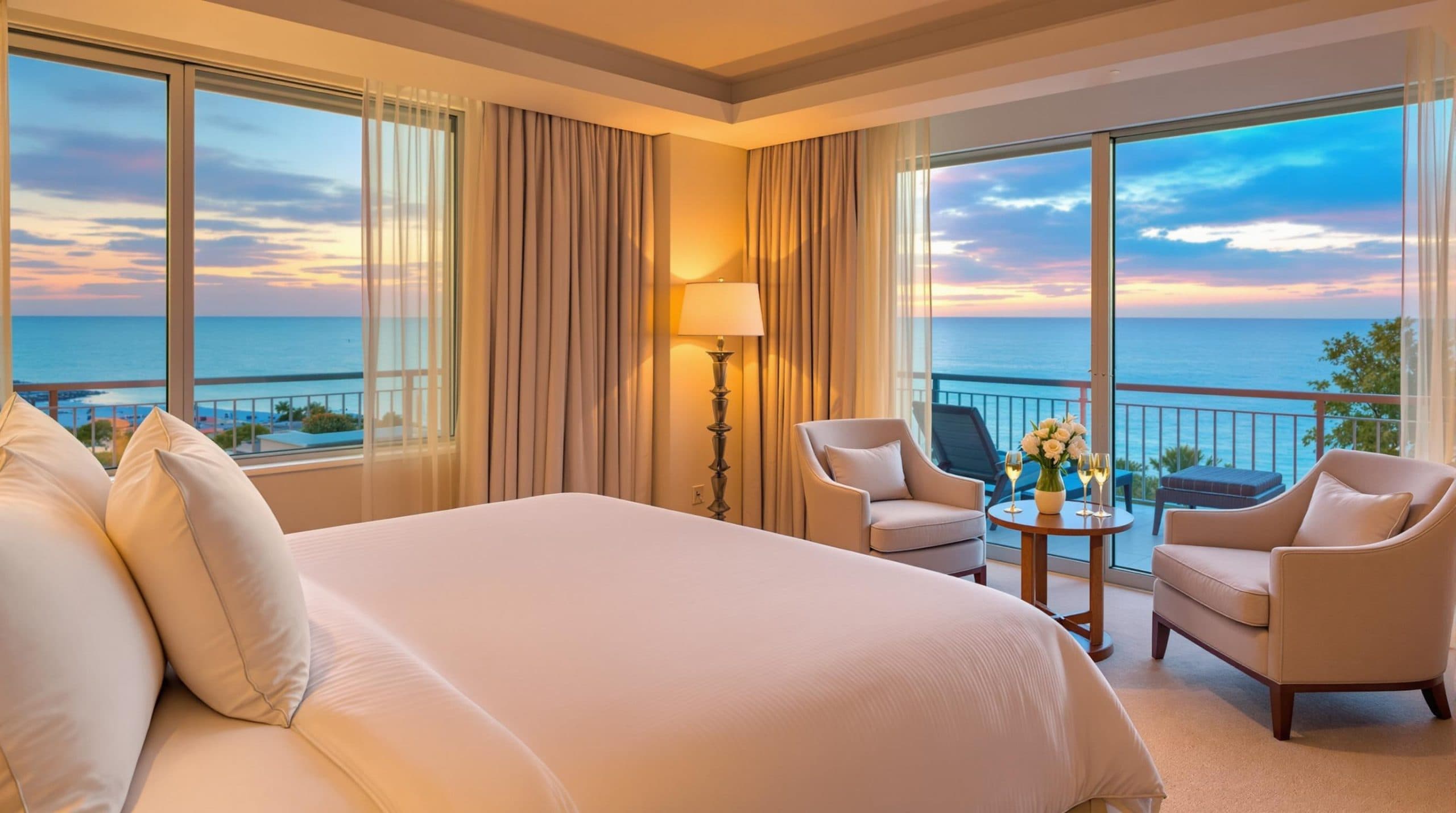
Show the room category and features that matter to the stay, such as a balcony, a particular view or a separate sitting area. Use photographs that accurately represent the option offered and explain meaningful differences between categories.
If an upgrade is subject to availability, say so at the point of selection. Do not present a possible upgrade as a guaranteed feature of the booked room. An illustrative offer might confirm a balcony room while allowing the guest to request a later checkout separately.
2. Spa appointments with workable timing
A spa inclusion needs an available appointment, not just access to a treatment menu. Ask the spa team which services, times and capacity can support the package before promoting it.
State whether the offer includes one appointment per person, a shared session or a credit toward eligible services. Explain how guests reserve a time and what happens if their preferred slot is unavailable. Avoid promises about relationship or health outcomes.
3. Dining with the setting and inclusions explained
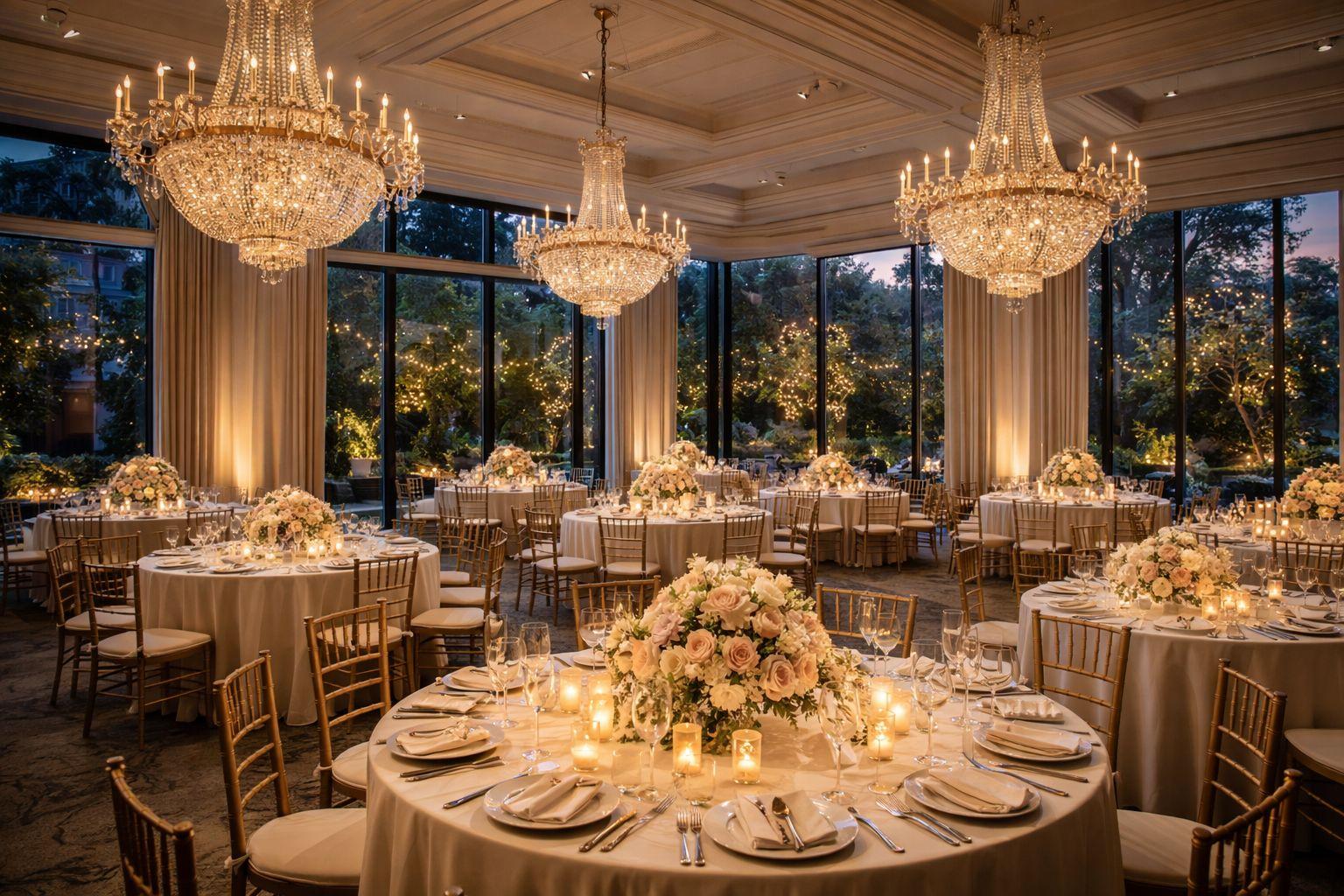
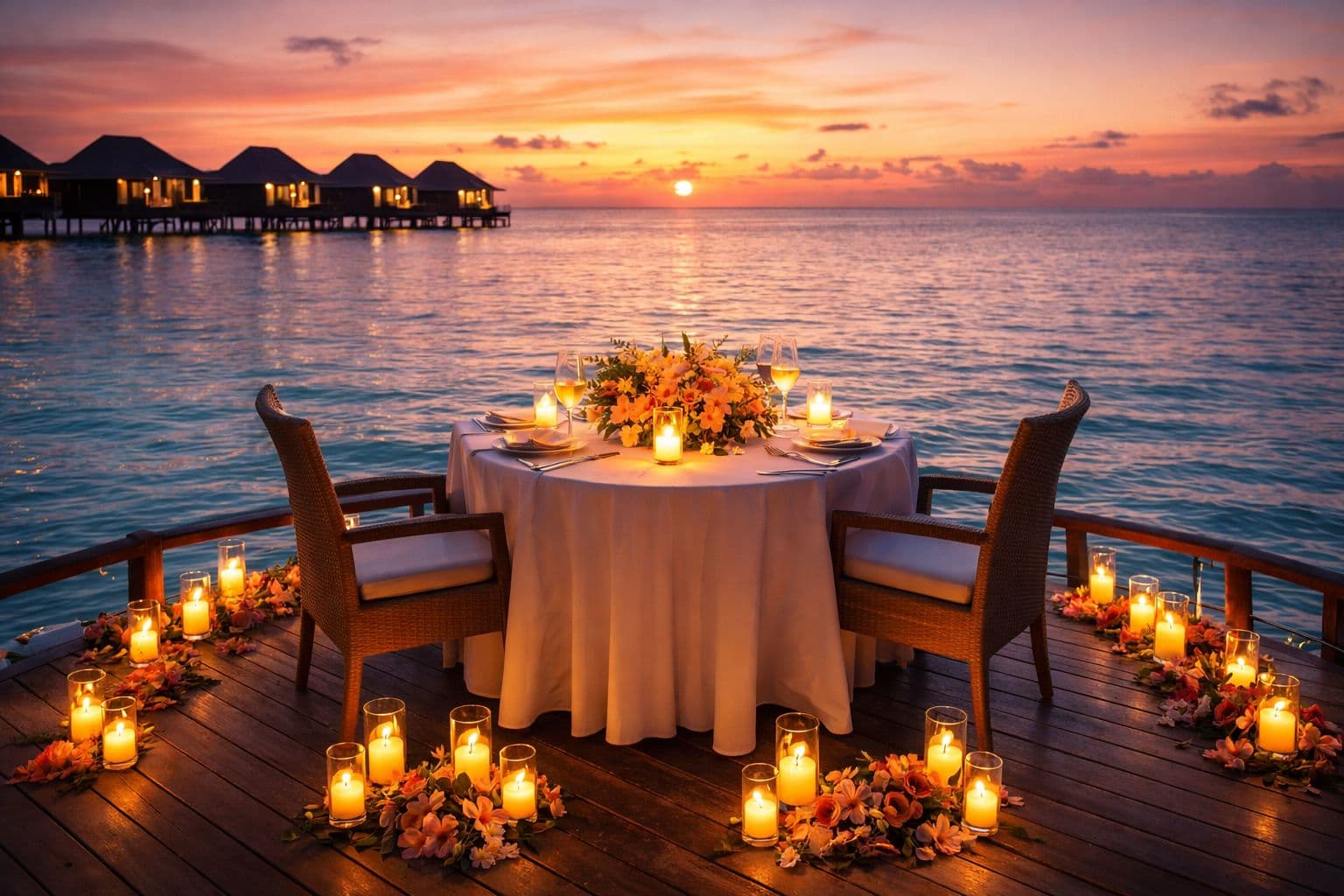
Describe where the meal takes place, which courses or drinks it includes and whether the reservation time is confirmed. A private table, an exclusive dining area and a meal delivered to the room are different experiences.
Plan a weather alternative for outdoor dining and confirm dietary needs through the hotel’s normal process. If a supplier is involved, identify who handles the reservation and any changes. Use the actual menu and service costs when deciding how to package the experience.
4. A small menu of customizable touches
Offer a manageable set of choices that operations can prepare consistently. For example, a couple could choose a welcome snack, a room arrangement or a preferred breakfast time from options the hotel has approved.
Label the example as a choice only if guests can genuinely select it. Confirm any additional price before adding it to the reservation. Ask rather than assume whether guests want alcohol, scented products, flowers or a surprise arrangement.
The romance package templates can help you organize ideas, but the final inclusions need your own staffing and cost checks.
5. Reserved access to a specific space
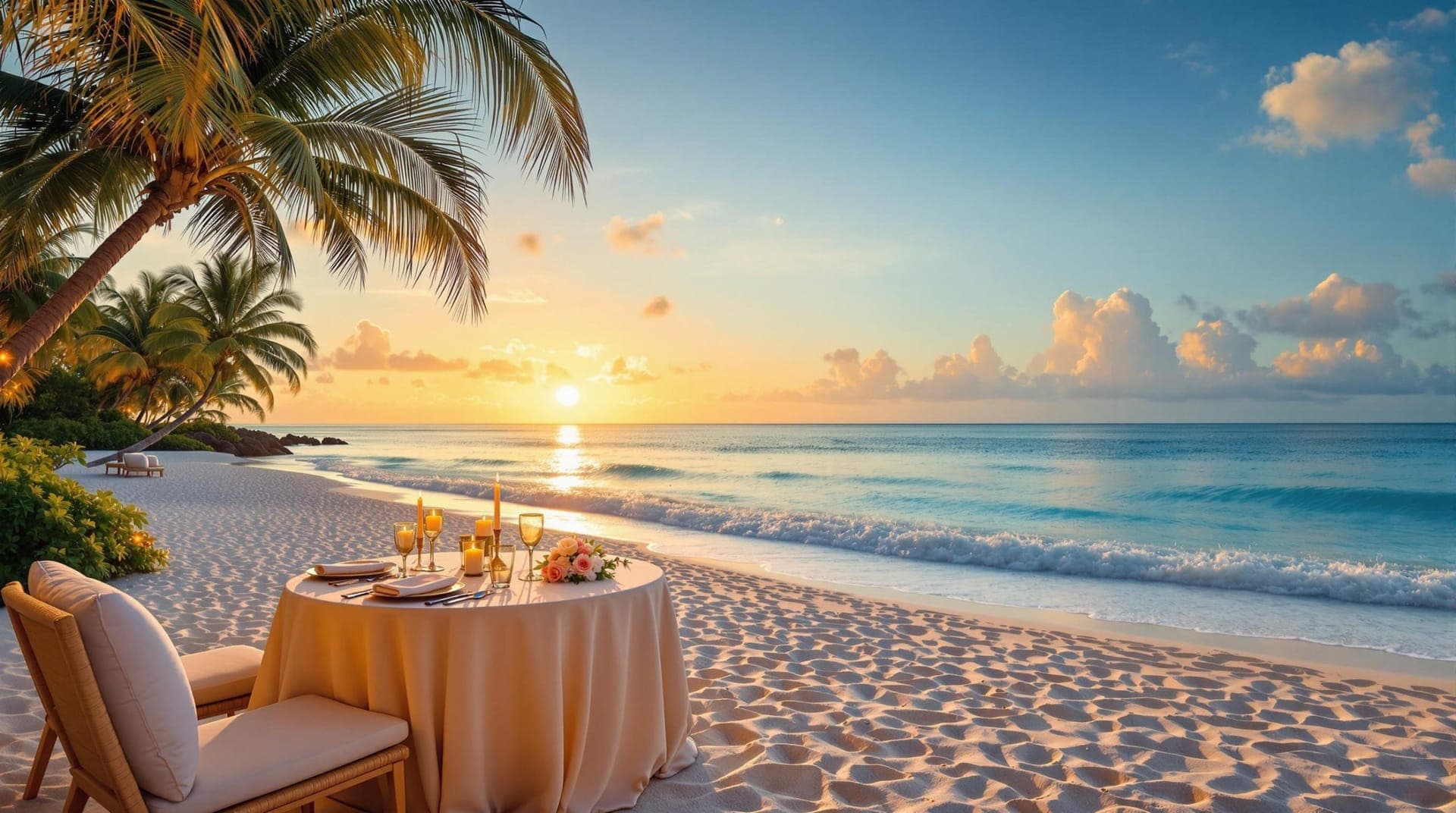
A garden corner, terrace or cabana may be useful for a private moment if the hotel can reserve it. Explain the location, time limit and level of privacy. An area open to other guests should not be described as exclusive.
Confirm setup, accessibility, noise constraints and the alternative if the space cannot be used. Assign responsibility for preparing and releasing it so one reservation does not interfere with another.
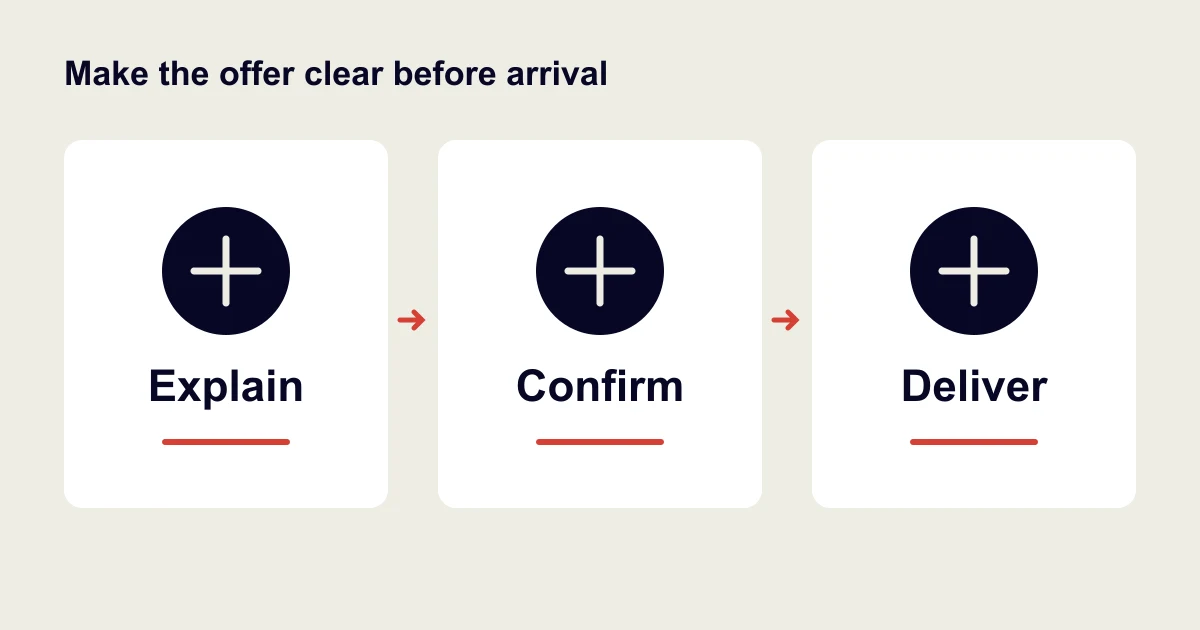
Explain the benefit, confirm its availability and assign the team that will deliver it. The diagram illustrates those checks rather than a measured booking result.
6. A named contact for occasion planning
Give guests a clear contact for a proposal, anniversary or other celebration. Define the scope: the hotel may coordinate a dining reservation or room setup while an independent supplier handles photography or entertainment.
Confirm who contracts with and pays each supplier. Record the agreed plan and share operational details only with the staff who need them. If an element is a surprise, agree on a discreet communication method without assuming secrecy overrides another guest’s preferences.
When photographs are involved, distinguish the guest’s commissioned service from any later hotel marketing request. A booked photography session does not automatically grant the property promotional reuse rights.
7. Booking terms that are easy to compare
Cancellation and date-change terms affect the value of an offer. Display the deadline, any charge and the treatment of separately reserved experiences before the guest commits.
Do not imply that every direct rate includes free cancellation or that a flexible rate is always the best choice. Explain the actual options for the selected dates and room. Where an experience has separate terms, show those alongside the room terms rather than leaving the difference to a later email.
Put the offer through an operational check
Ask reservations, housekeeping, food and beverage, spa and any external suppliers to review the parts they will deliver. Record the limit, booking deadline, owner and fallback for each inclusion.
| Offer check | What the guest should understand |
|---|---|
| Availability | Which dates, room categories and appointment times qualify |
| Inclusions | What the quoted total covers and which extras are optional |
| Confirmation | Which benefits are reserved now and which require a reply |
| Changes | The terms for the room and each separately booked service |
| Contact | Who answers questions before arrival and during the stay |
Test the booking or inquiry journey on a phone. Make sure staff receive the selected options and that the confirmation matches the offer the guest saw. The honeymoon resort website guide covers related presentation decisions.
Review inquiry quality, completed bookings, cancellations, package contribution after delivery costs and guest feedback. Compare results over equivalent periods and record other changes that may explain them. Start with one offer you can fulfill well, then refine it using your own evidence. Explore hotel resources for the surrounding discovery and inquiry process.
Editorial note: LOVU Travel publishes this hotel offer-planning guide. Its examples are recommendations, not measured conversion results. Contact the team to report a correction.