
A babymoon is a trip to plan around an individual pregnancy, not a destination’s promise of being “pregnancy safe.” Before choosing dates or paying a deposit, discuss the proposed itinerary with your obstetric healthcare professional. Being in the second trimester does not by itself establish fitness to travel.
Key Takeaways
- Discuss the dates, destinations and activities with your healthcare professional.
- Check current destination health information and the exact carrier’s pregnancy rules.
- Confirm access to appropriate care and the limits of pregnancy and neonatal insurance.
- Prefer flexible arrangements that can change if medical advice changes.
Bring a proposed itinerary to the consultation
The CDC Yellow Book’s guidance for pregnant travelers calls for an individual pre-travel assessment, review of the itinerary and planning for appropriate obstetric care at the destination. Its advice does not certify a city, resort or trimester as suitable for everyone.
Prepare a short outline for that conversation: travel dates, transport connections, accommodation location, planned activities and any remote excursions. Ask what would change the decision to travel and what signs should prompt urgent care. For urgent symptoms, seek immediate medical attention rather than waiting for a hotel, advisor or insurer to reply.
Compare destinations by practical access
A relaxing photograph does not establish medical suitability. Use this planning worksheet to investigate options after the clinical discussion.
| Planning question | Confirmation to obtain |
|---|---|
| Can appropriate care be reached? | Facility location, capability and practical transfer arrangements |
| Is the itinerary manageable? | Actual connection times, transfers, walking demands and rest opportunities |
| What current health information applies? | Official destination guidance discussed with your clinician |
| What can change after booking? | Written amendment, cancellation and refund terms |
| Can the accommodation meet requests? | A direct response about access, food requests and room arrangements |
Do not choose a city solely because a general guide calls it walkable or well served by hospitals. Check the specific accommodation and the care required for your circumstances. Current CDC information for pregnant travelers also addresses destination infection risks and transport policies; use it with your clinician rather than relying on an old “Zika-free” destination list.
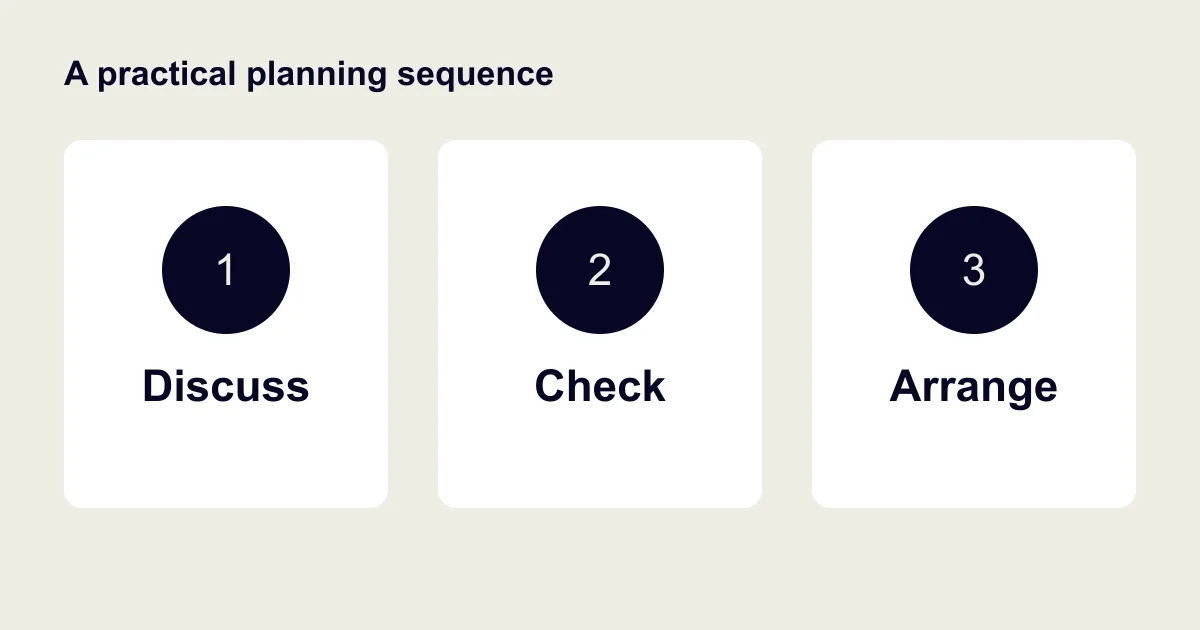
Discuss the itinerary first, check the constraints, then arrange the trip around the answers.
Read the carrier and insurance terms
Ask the airline or cruise operator about the rules for every leg, including the return journey: documentation, pregnancy-related restrictions and what happens if plans change. Rules vary; an accepted outbound reservation does not confirm eligibility for the return.
Ask the insurer about pregnancy-related complications, neonatal care, evacuation, eligibility and exclusions in writing. A policy advertised for couples is not proof of those benefits. Keep the answer with your travel medical insurance checklist.
Leave space in the daily plan
Our planning recommendation is to organize the trip around rest and optional activities that the healthcare professional has considered appropriate for you. Avoid a schedule in which a prepaid excursion becomes an obligation. A spa’s “prenatal” label or a hotel’s wellness package does not replace that clinical discussion.
For example, an illustrative day might have breakfast at the accommodation, an optional nearby visit, a return for rest and a flexible dinner reservation. This is a scheduling example, not a safe-activity prescription or a suggested duration for exertion. Keep alternatives available and let changes in symptoms or medical advice override the itinerary.
Prepare documents and ownership
Carry the records and clinician contact details recommended during the consultation. Keep transport confirmations, insurance information, accommodation contacts and emergency arrangements accessible offline. Ask your clinician which medicines, travel-health items and personal precautions are appropriate; this guide does not prescribe products, exercises or meal schedules.
If an advisor helps organize the trip, give them the logistical requirements they need, such as flexibility or access requests. Share sensitive medical information only through appropriate channels. Record who will contact the carrier, accommodation and insurer if the trip changes.
The romantic-getaway packing guide can help organize ordinary travel items. The budgeting guide can hold actual quotes, deposits and cancellation costs. Neither replaces individual medical guidance.
Published by LOVU Travel. Contact the team with an editorial correction. This checklist supports a planning conversation and does not provide medical clearance.