
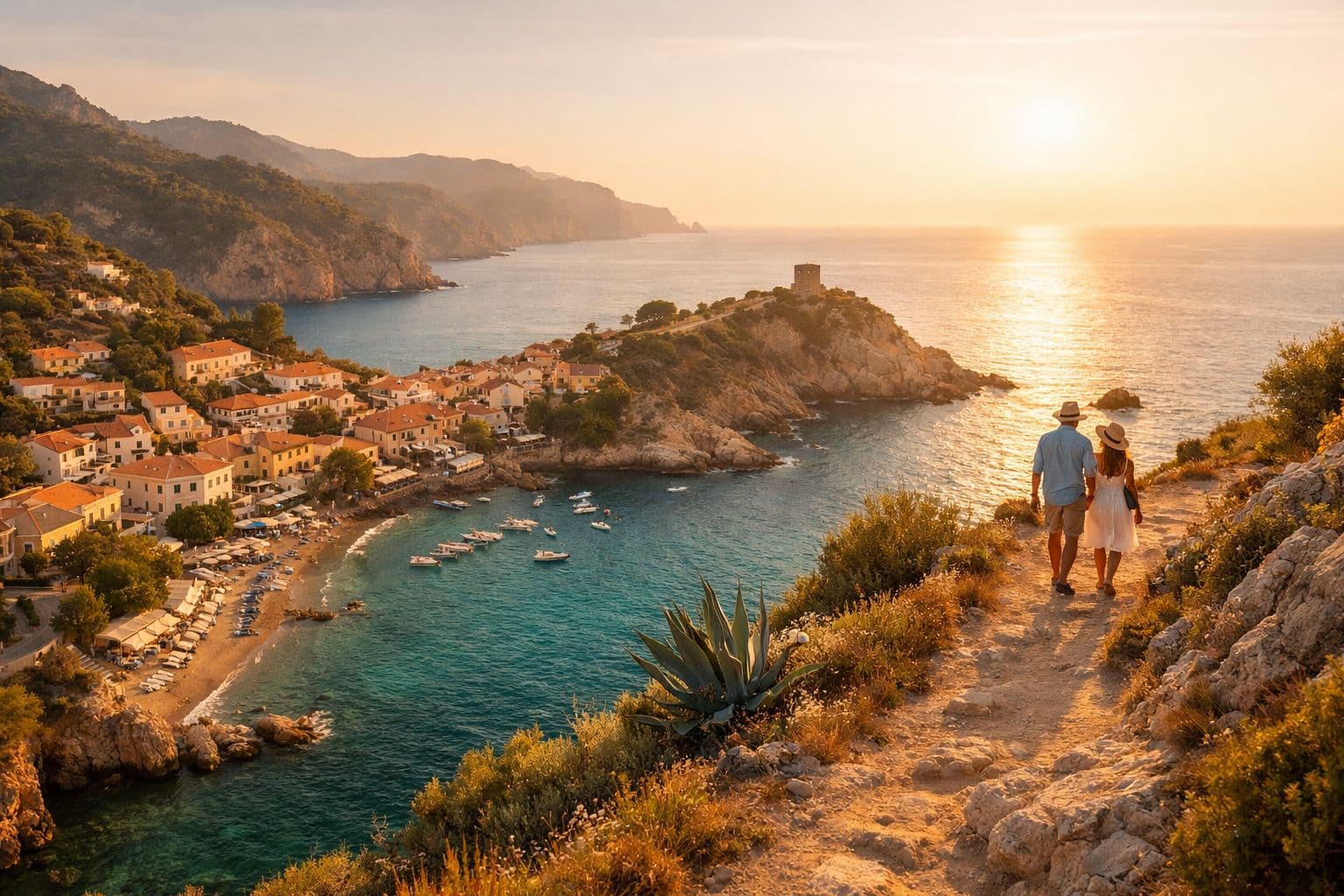
Romance tourism represents one of the most lucrative and resilient segments in global travel. Couples celebrating engagements, honeymoons, anniversaries, vow renewals, and destination weddings consistently outspend general leisure travelers, stay longer, and return more frequently. For destination marketing organizations (DMOs), developing a deliberate romance tourism strategy is not simply an opportunity — it is an imperative for long-term economic growth.
Yet many DMOs treat romance travel as an afterthought, burying a few wedding venue listings on a subpage and hoping couples will find them. The destinations winning the romance tourism race are the ones taking a far more strategic approach: building dedicated brand identities, forging deep vendor partnerships, creating compelling content, and rigorously measuring results.
This guide walks DMO professionals through a complete romance tourism positioning strategy, from initial asset audits through measurement frameworks. Whether your destination is an established wedding hotspot or an emerging contender, the principles here will help you attract more couples, generate higher visitor spend, and build a lasting reputation as a romance destination. LOVU Travel’s destination solutions can support DMOs at every stage of this journey.
The Romance Tourism Opportunity
Market Size and Growth
The global wedding tourism market was valued at approximately $25.6 billion in 2023 and is projected to exceed $37 billion by 2030, growing at a compound annual growth rate of roughly 5.5%. But wedding tourism is only one slice of the broader romance travel category. When you include honeymoons, anniversary trips, couples’ retreats, proposal getaways, and babymoon travel, the total addressable market expands significantly.
Consider these data points:
- Average destination wedding spend: $30,000 to $50,000, not including guest travel
- Average honeymoon spend: $5,000 to $10,000 per couple
- Guest multiplier: The average destination wedding brings 75 to 100 guests, each spending on flights, hotels, dining, and activities
- Length of stay: Romance travelers stay 20% to 40% longer than general leisure visitors
- Repeat visitation: Couples who marry or honeymoon in a destination show a 35% higher likelihood of returning within five years
These figures underscore a critical point: romance travelers are high-value visitors. They spend more per day, they bring additional guests who also spend, and they form emotional attachments to destinations that drive repeat visits and word-of-mouth referrals.
Why Romance Tourism Is Resilient
Romance travel is also relatively recession-resistant. While discretionary leisure travel contracts during economic downturns, milestone celebrations — weddings, major anniversaries, honeymoons — tend to be protected spending categories. Couples may adjust the scale of their celebrations, but they rarely cancel them entirely. For DMOs seeking to diversify their visitor base and reduce exposure to economic cycles, romance tourism offers a valuable hedge.
Audit Your Destination’s Romance Travel Assets
Before launching any marketing initiative, DMOs need a thorough understanding of what their destination already offers to romance travelers. This audit should cover both tangible assets and intangible qualities.
Tangible Assets
Create a comprehensive inventory of:
- Wedding and event venues: Hotels, resorts, estates, gardens, vineyards, historic buildings, beaches, rooftops, and other ceremony and reception sites
- Accommodations: Properties with honeymoon suites, couples’ packages, boutique hotels, villas, overwater bungalows, or other romantic lodging options
- Vendors and services: Wedding planners, florists, photographers, videographers, caterers, officiants, musicians, hair and makeup artists, and rental companies
- Dining: Fine dining restaurants, private dining experiences, chef’s table offerings, wine tasting rooms, and culinary tour operators
- Activities and experiences: Couples’ spa treatments, sunset cruises, hot air balloon rides, wine tours, cooking classes, scenic hikes, and adventure activities suitable for couples
- Legal and logistical infrastructure: Marriage license requirements, residency rules, processing times, and any legal advantages or complications for foreign couples
Intangible Qualities
Beyond the checklist, assess the emotional and aesthetic qualities that make a destination romantic:
- Natural beauty: Coastlines, mountains, sunsets, stargazing conditions, lush landscapes
- Cultural ambiance: Architecture, music, art, local traditions around love and celebration
- Climate: Favorable weather windows for outdoor ceremonies and romantic activities
- Accessibility: Ease of reaching the destination from key source markets
- Safety and hospitality: How welcome and secure couples feel
Gap Analysis
Compare your inventory against what leading romance destinations offer. Identify strengths to amplify and gaps to address. Perhaps your destination has world-class venues but lacks experienced wedding planners who can serve international couples. Or perhaps you have beautiful natural settings but no photographers specializing in destination weddings. These gaps represent both challenges and opportunities for DMO-led capacity building.
Create a Romance Tourism Brand Identity
A successful romance tourism program needs more than a page on your existing website. It needs a distinct brand identity that resonates emotionally with couples planning milestone celebrations.
Defining Your Romantic Positioning
Every destination has competition. Your romantic positioning should answer the question: Why should a couple choose this destination for the most important celebration of their lives?
Consider positioning frameworks based on your destination’s authentic strengths:
| Positioning Theme | Best For | Example Destinations |
|---|---|---|
| Tropical paradise | Beach weddings, honeymoons | Caribbean islands, Maldives, Fiji |
| Old-world romance | Cultural immersion, elopements | Tuscany, Santorini, Prague |
| Adventure romance | Active couples, unique proposals | New Zealand, Costa Rica, Iceland |
| Luxury and exclusivity | Ultra-high-net-worth couples | Monaco, Bora Bora, Swiss Alps |
| Accessible charm | Budget-conscious destination weddings | Mexico, Portugal, Bali |
| Eco-romance | Sustainability-minded couples | Costa Rica, Norway, Slovenia |
Your positioning should be authentic. Do not try to be a tropical paradise if you are a mountain destination. Instead, lean into what makes your destination genuinely special and build your romance brand around those truths. For more on the eco-romance angle, see our guide on marketing sustainable getaways to green-minded travelers.
Visual Identity and Tone
Develop a visual identity for your romance tourism program that includes:
- A sub-brand or campaign name (e.g., “Say Yes in [Destination],” “Love [Destination],” or “[Destination] Romance”)
- A color palette and typography that evoke warmth, elegance, and emotion
- Photography guidelines emphasizing real couples, authentic moments, golden-hour lighting, and your destination’s most romantic settings
- A tone of voice that balances aspiration with practical helpfulness
Consistency Across Touchpoints
Ensure this brand identity is applied consistently across your DMO website, social media, printed materials, trade show booths, partner communications, and advertising. Inconsistency dilutes the brand and undermines trust.
Build a Dedicated Romance Section on Your DMO Website
Your website is where couples will conduct their deepest research. A buried link to a PDF venue list will not convert high-intent romance travelers. You need a dedicated, well-structured section that serves as the definitive planning resource for couples considering your destination.
Essential Website Sections
Getting Married Here
- Legal requirements for marriage (licenses, residency, documentation)
- Step-by-step process for foreign couples
- Links to government offices or facilitators
- Timelines and costs
Venues
- Searchable directory of ceremony and reception venues
- High-quality photography of each venue
- Capacity, pricing range, indoor/outdoor options, and contact information
- Filters by style (beach, garden, historic, modern), capacity, and budget
Vendor Directory
- Categorized listings of vetted wedding professionals
- Planners, photographers, florists, caterers, officiants, musicians
- Reviews or testimonials where possible
Honeymoon and Romance Travel
- Curated itineraries for honeymoons, anniversaries, and romantic getaways
- Accommodation recommendations by style and budget
- Activity guides for couples
Real Wedding Features
- Photo and video stories of real couples who married in your destination
- Diverse representation of couple types, wedding styles, and budgets
- Practical details (venue, planner, guest count, season) alongside the emotional narrative
Planning Tools
- Downloadable wedding planning guide or checklist
- Budget estimator
- Seasonal weather guide
- FAQ section addressing common concerns
SEO Considerations
Optimize your romance section for high-intent search queries:
- “[Destination] destination wedding”
- “Getting married in [Destination]”
- “[Destination] wedding venues”
- “[Destination] honeymoon”
- “[Destination] elopement packages”
- “How to get married in [Destination]”
Each page should target specific keyword clusters with unique, substantive content — not thin pages that exist only to rank. Produce detailed guides of 1,500 words or more for core topics, supported by internal linking to related pages across your romance section.
Partner with Local Venues, Vendors, and Travel Advisors
Romance tourism is inherently collaborative. No DMO can deliver the wedding or honeymoon experience alone. Your role is to be the connector, quality assurer, and amplifier for a network of local businesses.
Building a Vendor Network
Develop a formal romance tourism partner program that includes:
- Application and vetting process: Establish quality standards for vendors who want to be listed in your directory and included in your marketing. Site visits, portfolio reviews, reference checks, and insurance verification should all be part of onboarding.
- Tiered membership: Consider tiered programs where partners can access additional marketing exposure, lead generation, and co-op advertising opportunities at higher investment levels.
- Training and certification: Offer workshops on serving international couples, cultural sensitivity, LGBTQ+ inclusivity, accessibility, and destination-specific wedding logistics. A “Certified [Destination] Wedding Professional” designation adds credibility.
- Regular communication: Keep partners informed about DMO marketing campaigns, upcoming trade shows, media visits, and new resources. A quarterly partner newsletter and annual partner summit can maintain engagement.
Travel Advisor Outreach
Travel advisors remain critical intermediaries for romance travel, particularly for destination weddings where logistics are complex. Build relationships with advisor networks through:
- Familiarization (FAM) trips: Invite top-producing romance travel advisors to experience your destination firsthand. Include venue tours, tastings, activity sampling, and meetings with key vendors.
- Advisor resource hub: Create a password-protected section on your website with high-resolution images, fact sheets, sample itineraries, commission structures, and booking contacts.
- Trade show presence: Attend romance travel trade shows and advisor conferences (discussed in more detail below).
- Co-op marketing: Offer to co-fund marketing initiatives with advisor consortia or host agencies that actively promote your destination.
Venue and Accommodation Partnerships
Work directly with your destination’s key venues and properties to develop bookable romance packages. These packages should include meaningful value-adds beyond a standard room booking:
- Welcome amenities (champagne, flowers, local specialties)
- Couples’ spa treatments or dining credits
- Complimentary room upgrades for the couple
- Group room blocks with negotiated rates for wedding guests
- Dedicated wedding coordinator or concierge services
Package development is a collaborative effort between the DMO, the property, and often local vendors. The DMO’s role is to facilitate these partnerships and ensure the resulting products are marketable and competitive.
Content Strategy: Romance Travel Guides and Real Wedding Features
Content marketing is the engine that drives organic discovery and nurtures couples through their planning journey. Your content strategy should address every stage of the decision-making process.
Top-of-Funnel: Inspiration
At this stage, couples are dreaming and browsing. They have not committed to a destination. Your goal is to capture their attention and plant the seed.
- Listicles: “Top 10 Reasons to Have a Destination Wedding in [Destination]”
- Seasonal guides: “The Best Time of Year for a Wedding in [Destination]”
- Trend pieces: “Wedding Trends Couples Are Loving in 2026”
- Comparison content: Position your destination favorably against competitors — without disparaging them
For inspiration on emerging destinations gaining traction, explore our analysis of top emerging romance destinations beyond Paris and Venice.
Mid-Funnel: Research and Planning
Couples actively considering your destination need detailed, practical content:
- Comprehensive wedding planning guides: Legal process, timelines, budgets, vendor selection
- Venue spotlights: In-depth profiles of individual venues with professional photography
- Vendor interviews: Q&A features with top wedding planners, photographers, and chefs
- Logistics guides: Transportation, accommodation options for guests, weather considerations
Bottom-of-Funnel: Decision and Booking
For couples close to committing, provide content that overcomes final objections and facilitates action:
- Real wedding stories: Detailed features with professional photos, couple quotes, and planning tips
- Testimonials and reviews: Social proof from couples and their guests
- FAQ pages: Addressing common concerns about cost, logistics, language barriers, and legal issues
- Contact and inquiry forms: Make it effortless for couples to request more information or connect with vendors
Content Production Workflow
Establish a sustainable content calendar:
- Monthly: 2-4 blog posts or articles covering different funnel stages
- Quarterly: 1-2 real wedding features sourced from partner vendors
- Annually: Updated destination wedding planning guide, refreshed venue and vendor directories
- Ongoing: Social media content repurposing blog and guide material
Social Media and Influencer Campaigns for Romance Travel
Social media is where romance travel dreams are born. Instagram, TikTok, Pinterest, and YouTube are the primary platforms where couples discover destinations and gather inspiration.
Platform Strategy
| Platform | Best For | Content Types |
|---|---|---|
| Visual inspiration, real weddings | Reels, carousels, Stories, UGC reposts | |
| TikTok | Viral discovery, younger couples | Short-form video, behind-the-scenes, tips |
| Long-term planning boards | Infographics, venue photos, checklists | |
| YouTube | In-depth destination overviews | Venue tours, real wedding films, vlogs |
| Older demographics, community groups | Event promotion, longer posts, groups |
User-Generated Content
Encourage couples who marry or honeymoon in your destination to share their content using a branded hashtag. Repost (with permission) the best content to your DMO channels. User-generated content is more trusted and more engaging than polished brand content.
Consider creating incentives:
- Feature couples on your official accounts and website
- Run “best wedding photo” contests with prizes from partner vendors
- Offer couples a complimentary professional photo session in exchange for usage rights
Influencer Partnerships
Partner with influencers in the wedding, travel, and lifestyle spaces for campaigns that showcase your destination’s romance appeal. Prioritize:
- Micro-influencers (10K-100K followers) in the wedding planning niche for higher engagement rates and more targeted audiences
- Wedding photographers and videographers who create aspirational content as part of their professional work
- Travel couple influencers who document their romantic travels
- Wedding planners and stylists who style editorial shoots in your destination
Structure influencer partnerships around specific deliverables: a set number of posts, stories, reels, and blog features, with usage rights for DMO channels. Require disclosure of the partnership per FTC guidelines.
Paid Social Advertising
Supplement organic content with targeted paid campaigns:
- Awareness campaigns targeting users who follow wedding planning accounts, bridal magazines, and competitor destinations
- Retargeting campaigns serving ads to users who have visited your romance content pages
- Lookalike audiences based on couples who have previously inquired or booked
- Seasonal campaigns timed to peak engagement and proposal seasons (November through February)
Trade Show and B2B Event Strategy
While digital marketing drives consumer awareness, trade shows and B2B events build the advisor, planner, and media relationships that generate high-value bookings.
Key Events for Romance Tourism
Prioritize events where romance travel buyers and media are concentrated:
- Romance Travel Forum: The premier B2B event connecting romance travel suppliers with top-producing travel advisors
- Destination Wedding Planners Congress: Focused on the destination wedding planning industry
- ILTM (International Luxury Travel Market): For DMOs targeting the luxury romance segment
- Regional tourism exchanges: Caribbean Tourism Organization Marketplace, Arabian Travel Market, ITB Berlin
- Wedding industry trade shows: National Bridal Market, Wedding MBA
Maximizing Trade Show ROI
Trade shows are expensive. Maximize your investment by:
- Pre-event outreach: Contact key attendees before the show to schedule meetings and build anticipation
- Compelling booth design: Your booth should immerse visitors in the romance of your destination — use large-format photography, ambient elements (music, scent), and interactive displays
- Curated appointments: Prioritize meetings with advisors and planners who actively sell romance travel, not general tourism contacts
- FAM trip invitations: Use trade shows to invite qualified contacts to upcoming familiarization trips
- Post-event follow-up: The real ROI comes from disciplined follow-up within 48 hours of the event. Send personalized messages, share resources, and schedule follow-up calls
Measuring Romance Tourism Impact
A romance tourism program must be accountable. Establish measurement frameworks that track both marketing performance and economic impact.
Marketing Metrics
| Metric | What It Measures | Target Benchmark |
|---|---|---|
| Romance page traffic | Awareness and interest | 15-25% YoY growth |
| Inquiry form submissions | Lead generation | Track conversion rate from page visits |
| Vendor directory clicks | Partner value delivery | Clicks per listing per month |
| Content engagement | Content relevance | Time on page, scroll depth, social shares |
| Email list growth | Audience building | Romance-specific subscriber growth |
| Social media engagement | Brand awareness | Engagement rate on romance content |
Economic Impact Metrics
- Romance-related arrivals: Track through hotel booking data, venue reports, and marriage license records
- Average daily spend: Compare romance traveler spend to general leisure traveler spend
- Length of stay: Measure whether romance travelers stay longer than average
- Guest multiplier: For destination weddings, estimate total guest arrivals and associated spend
- Repeat visitation: Survey or track whether romance visitors return
- Seasonality impact: Determine whether romance tourism fills shoulder or low-season gaps
Partner Reporting
Provide regular performance reports to your vendor and venue partners, showing them the leads, traffic, and exposure generated by the DMO’s romance tourism program. This data justifies partner investment and retention.
Annual Review and Adjustment
Conduct an annual romance tourism program review that examines:
- Performance against goals across all metric categories
- Competitive landscape changes (new destinations entering the market, competitor initiatives)
- Feedback from partners, travel advisors, and couples
- Content performance and SEO ranking trends
- Budget allocation effectiveness across channels
Use these findings to adjust strategy, reallocate resources, and set goals for the coming year.
Taking the Next Step
Positioning your destination for romance tourism is not a single campaign — it is an ongoing strategic commitment that touches brand development, content marketing, partner relationships, trade engagement, and economic measurement. The destinations that succeed in this space are those that treat romance tourism as a first-class program with dedicated resources, clear goals, and consistent execution.
The opportunity is significant. Romance travelers are among the highest-spending, longest-staying, and most emotionally loyal visitors any destination can attract. By auditing your assets, building a compelling romance brand, creating world-class content, nurturing vendor partnerships, and measuring your results, your DMO can capture a meaningful share of this growing market.
To explore how LOVU Travel’s platform can help your DMO attract more romance travelers and destination wedding planners, visit our destination solutions page or reach out to our partnerships team directly.
When you’re ready to turn positioning into infrastructure, LOVU Compass gives destinations a white-label romance-travel platform — content, listings, and lead capture under your brand.