
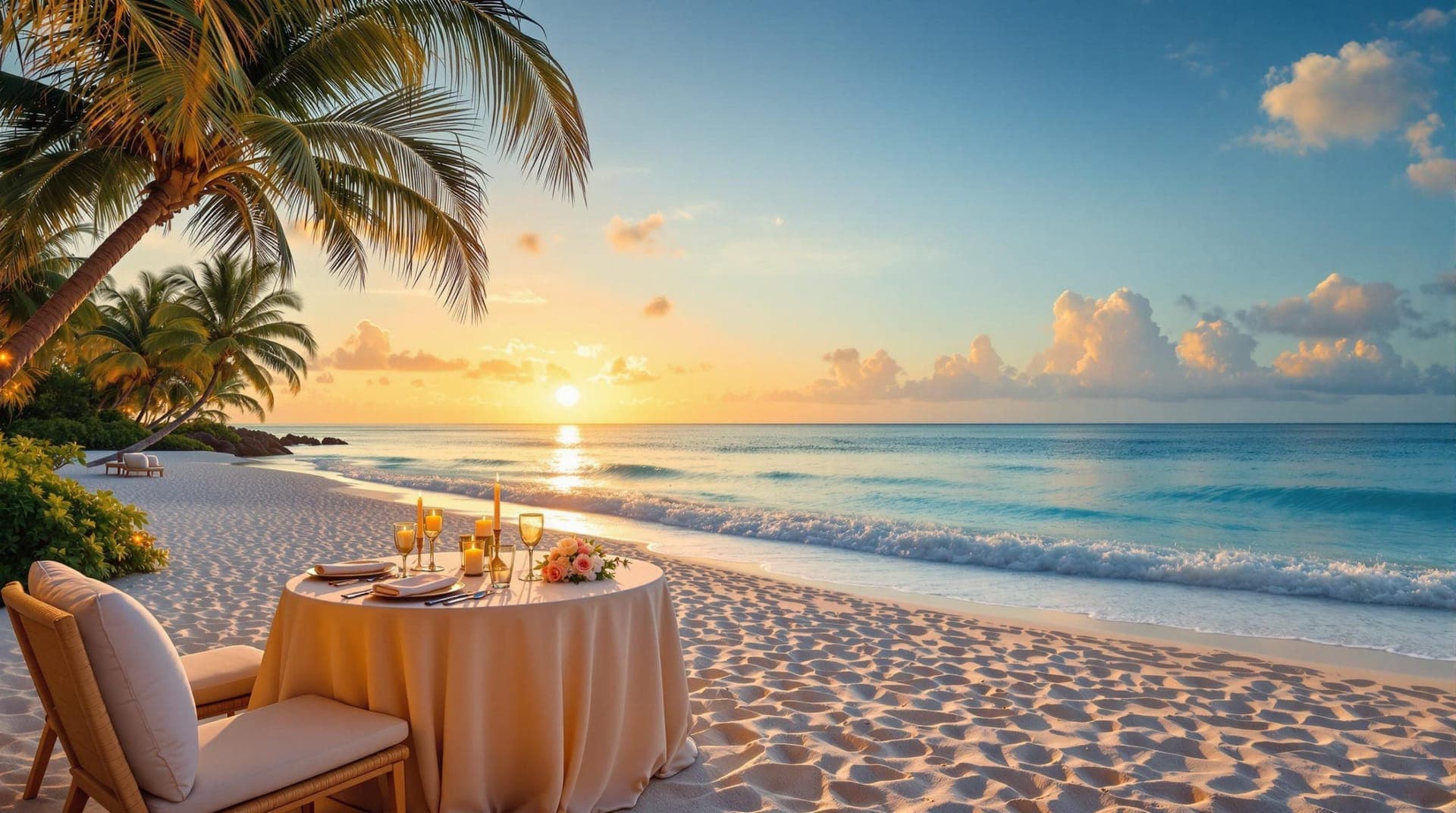
Planning a honeymoon can be overwhelming, and your resort’s website needs to make the process easier while standing out to attract bookings. The bar has risen sharply in 2026 — couples expect instant answers, seamless mobile experiences, and personalized touches before they ever set foot on your property. Here are the 15 essential features every honeymoon resort website should have to convert visitors into guests:
- High-Quality Photos and Videos: Showcase your property with stunning visuals, immersive virtual tours, and drone footage.
- Clear Navigation and Layout: Mobile-friendly menus, romantic design elements, and easy-to-find CTAs.
- Room and Package Details: Highlight luxurious amenities, transparent pricing, and romantic packages.
- Easy Booking System: Mobile-first design, real-time availability, and customizable booking tools.
- Couples’ Activities and Services: Private dining, spa treatments, and romantic adventures.
- Local Area Guide: Interactive maps, expert recommendations, and seasonal highlights.
- Guest Reviews: Authentic testimonials with visuals to build trust.
- Honeymoon Deals: Tailored packages with clear inclusions and value-driven options.
- Wedding Planning Tools: Budget trackers, RSVP management, and local vendor guides.
- Contact Options: Live chat, email, phone, and social media for seamless communication.
- Social Media Links: Integrated platforms like Instagram and Pinterest to inspire bookings.
- Romance Travel Marketplace Connection: Expand reach with a romance-focused travel marketplace.
- AI Chatbot for Instant Guest Inquiries: Provide 24/7 intelligent responses to planning questions and booking requests.
- Modern Booking Engine Integration: Connect with leading booking engines for real-time inventory, dynamic pricing, and one-click reservations.
- Mobile-First Responsive Design: Build every page for thumb-friendly navigation, fast load times, and flawless rendering on any device.
These features cater to modern couples looking for tailored, stress-free planning and a romantic experience. By implementing them, you can increase direct bookings and stand out in the growing honeymoon market.
Hotel Website Design: Get More Direct Bookings From Your Hotel Website
1. High-Quality Photos and Videos
Top-notch visuals can directly impact your booking numbers. Research shows that hotels featuring high-quality images see booking rates climb by 15–25%. In 2026, static galleries are no longer enough — couples expect cinematic drone flyovers, 360-degree room tours, and short-form video walkthroughs they can share on social media.
“Visual content has the ability to convey emotions, evoke memories, and inspire dreams.”
Your website should feature a variety of appealing images: well-lit shots of room interiors, stunning oceanfront views, candid moments of couples, inviting dining setups, spa facilities, and nearby attractions.
For best results, use modern WebP or AVIF formats for photos (falling back to JPEG for older browsers) and PNG for transparent graphics. To improve loading times, implement lazy loading, use a Content Delivery Network (CDN), and serve responsive images that adapt to different screen sizes. Consider adding short vertical video clips optimized for mobile viewing — these perform especially well when couples share them via Instagram Stories or TikTok.
“You should photograph yourselves doing fun activities, like going out to the local market to shop. Make the photos seem natural by focusing on being yourselves, rather than focusing on posing.”
Videos take it a step further by creating a more immersive experience. Consider adding a virtual tour of your property, including room walkthroughs, hallways, and pool areas. Interactive 360-degree tours — now standard on many luxury resort sites — give potential guests a detailed preview of what they can expect and have been shown to increase time-on-page by up to 40%.
2. Clear Navigation and Layout
A well-organized website is essential for effortless honeymoon planning. With 75% to 90% of users browsing on mobile devices, easy-to-use navigation plays a big role in turning visitors into bookings. In 2026, Google’s Core Web Vitals continue to weigh page experience heavily, meaning slow or confusing navigation directly hurts your search rankings.
“As a rule, people don’t like to puzzle over how to do things. If people who build a site don’t care enough to make things obvious, it can erode confidence.”
Here are some key navigation features that make resort websites user-friendly:
-
Smart Menu Design: Place the main navigation at the top of the page and keep it consistent throughout the site. Group related content — like rooms, packages, dining options, spa services, special offers, and contact details — into logical categories. Consider a sticky navigation bar that remains visible as users scroll.
-
Romantic Visuals: Incorporate soft colors, elegant fonts, floral designs, and imagery that highlights couples to create a romantic atmosphere.
-
Mobile-Friendly Navigation: Use mobile-friendly tools like hamburger and horizontal menus to ensure smooth browsing on any device. Bottom navigation bars (thumb-zone design) are increasingly popular for mobile resort sites.
-
Clear Calls to Action (CTAs): Make booking buttons and contact options easy to find and hard to miss. Use contrasting colors and position CTAs above the fold on every key page.
-
Accessibility Compliance: Ensure your site meets WCAG 2.2 guidelines — proper color contrast, alt text on images, keyboard navigability, and screen-reader compatibility. This is both a legal best practice and a way to serve all guests.
“We want to give website visitors confidence and peace of mind with a seamless and consistently branded path to booking from start to finish.” - Alex Hume, Art Director for UrVenue
3. Room and Package Details
Planning a honeymoon is a big deal, with couples spending an average of $4,500 and dedicating about 5.1 weeks to organize their trip. To stand out, it’s crucial to provide clear, enticing details about your accommodations and packages that appeal to romance-focused travelers.
Room Descriptions That Inspire
Focus on the details that make a stay unforgettable. For instance, The VIEW in Lugano, Switzerland offers personalized room settings, where guests can adjust everything from the fragrance and lighting to even the type of pillows and toilet paper. Use high-quality photos to showcase:
- Room layout and size
- Bed type with luxurious bedding
- Stunning private balcony or terrace views
- Upscale bathroom features
- Romantic touches that set the mood
In 2026, leading resorts also include interactive floor plans that let couples click through different room categories and compare layouts side-by-side.
Amenities That Stand Out
Unique amenities can elevate a couple’s experience. Resorts like Niyama Private Islands in the Maldives offer fun perks like daily popcorn makers stocked with all the essentials. Meanwhile, HotelRED in Madison provides a “Raid the Minibar” package for $100, granting unlimited access to drinks and snacks.
“Blue Desert’s concierge can arrange everything from an exceptional culinary experience made by our top-class chefs, exquisite drinks crafted by our talented mixologists, or even a relaxed in-villa spa treatment with no more than the sound of the waves calling from your terrace”, - Juan Ramon Guevara, President of Blue Desert Cabo
How to Present Packages Clearly
When showcasing packages, make sure the details are easy to understand. Here’s what to include:
Package Element Details to Highlight
Base Price Starting rates, including taxes
Duration Minimum and maximum stay options
Inclusions Meals, activities, and amenities included
Special Perks Extras like private dinners or spa treatments
Booking Terms Cancellation policies and payment requirements
Consider offering themed experiences too. For example, Turtle Island in Fiji’s Blue Lagoon features a floating pontoon dinner, creating a magical, customizable moment for couples.
Transparent Pricing
Make pricing straightforward and easy to understand. Clearly outline all-inclusive and a la carte options, seasonal rates, special promotions, upgrade possibilities, and a detailed breakdown of amenities. In 2026, couples are more price-savvy than ever — displaying total cost upfront (including resort fees and taxes) reduces cart abandonment and builds trust. This clarity helps couples confidently plan their dream honeymoon.
4. Easy Booking System
Turn your website into a booking powerhouse by simplifying the reservation process — an essential move for attracting romance travelers. A mobile-friendly design is especially important to turn potential guests into actual bookings.
Mobile-First Booking Experience
Focusing on mobile usability can more than double your conversion rates. Here are some must-have features for a mobile-friendly booking system:
Feature Purpose Impact
Responsive Design Adapts to any screen size 57% of users won’t recommend sites with poor mobile design
Smart Payment Options Supports Apple Pay, Google Pay, PayPal Boosts booking completion rates
Auto-fill Speeds up form completion Makes reservations faster and easier
Real-time Availability Displays current room status Avoids double bookings and confusion
Once your mobile design is in place, the next step is tailoring booking tools to meet the expectations of modern couples.
Personalized Booking Tools
Honeymoons.com sets a great example by offering fully customizable booking options:
“Each couple that books their trip with Honeymoons.com is paired with an experienced honeymoon travel agent who provides ongoing support throughout their journey… From arranging romantic excursions to ensuring seamless hotel check-ins and airport transfers, Honeymoons.com travel agents are there to fine-tune every detail, ensuring every couple’s trip is as unforgettable and stress-free as possible.”
Smart Features That Convert
The best booking systems make planning easy and enjoyable. Luna Moons demonstrates this with tools that let couples:
- Compare different trip options side by side
- Adjust itinerary sections effortlessly
- Book flights, hotels, and activities all in one go
While automation is key for efficiency, adding expert assistance ensures a truly memorable planning experience.
Expert Support Integration
Offering consultation services ($99–$299 per person) allows couples to design their perfect trip. This approach blends the ease of online booking with personalized guidance.
Simplified Package Selection
All-inclusive packages are a favorite for their convenience and clear value. Your booking system should make it easy to view:
- Package details, inclusions, and transparent pricing with no hidden fees
- Customization options for special requests designed for couples
- Available upgrades to enhance the experience
Businesses that prioritize mobile-friendly booking systems often see a 20% boost in revenue. For honeymoon resorts aiming to stay competitive, this is a must-have feature in today’s romance travel market.
5. Couples’ Activities and Services
Your website should do more than just handle bookings — it should showcase thoughtfully designed romantic experiences that help couples create unforgettable moments.
Romantic Experience Categories
Organize activities into clear categories to make browsing easy:
Experience Type Popular Activities Special Touches
Dining Private chef dinners, wine tastings Candlelit settings, ocean views
Wellness Couples massages, spa treatments Private spa suites, aromatherapy
Adventure Scuba diving, hot air balloons Champagne
Cultural Cooking classes, local tours Personal guides, custom itineraries
Signature Romantic Services
Take inspiration from Jade Mountain Resort in St. Lucia, which offers unique experiences such as private dinners, in-room massages, and hands-on workshops:
“Private dinners and in-room massages, and guests can make their own truffles in a bean-to-bar workshop”
Customizable Romance Packages
Pedras do Mar Resort & Spa provides a seamless way to enjoy romantic experiences through tailored packages:
“The romance package includes a spa circuit, a romantic dinner suggested by the chef, and sparkling wine in the room”
Private Dining Experiences
Hotel Wailea Maui’s Capische Restaurant sets the bar for intimate dining:
“An exclusive private dining experience with a personal chef creating a specialized menu of gourmet cuisine and wine tasting in a private dining room”
Wellness and Spa Features
Highlight spa services that bring couples closer together by dedicating sections to:
- Couples Treatment Rooms: Private spaces designed for two
- Signature Treatments: Unique services with extras like aromatherapy and champagne
- Wellness Journeys: Customizable packages tailored to each couple’s preferences
Digital Disconnection Zones
Create areas where couples can unplug and focus entirely on each other, free from digital distractions.
Activity Scheduling
Simplify planning for couples with features such as:
- Real-time activity availability
- Online booking options
- Private session reservations
- Customization requests
- Access to expert concierge services
These tools not only enhance the user experience but also help couples craft personalized, memorable getaways.
6. Local Area Guide
A local area guide can help honeymooners discover romantic experiences beyond your resort, adding a personal touch to their trip. Thoughtfully designed guides can elevate the romantic atmosphere couples are looking for.
Interactive Map Features
Take inspiration from Rosewood CordeValle in San Martin, California, which offers a map featuring highlights like:
- A 150-acre vineyard with hiking trails and picnic spots
- The Clos LaChance winery
- Breathtaking views of Hayes Valley
Local Expert Recommendations
L’Auberge Carmel in Carmel-by-the-Sea offers a curated list of nearby attractions, including art galleries, restaurants, and the beach. It also emphasizes its Michelin-starred Aubergine restaurant, known for its use of seasonal ingredients.
Adding seasonal recommendations can further enhance your guide and help visitors make the most of their trip.
Seasonal Highlights
The JW Marriott San Antonio Hill Country Resort & Spa creates themed packages inspired by the local culture.
“Our packages are always highly anticipated because they are so creative and elaborate. This one strikes a chord because it showcases our unique Texas Hill Country ambience, with a tip of the hat to our proud western culture.” – Arthur Coulombe, General Manager
Digital Planning Tools
Offer tools like interactive daily itinerary planners, tailored recommendations, direct booking links for local activities, and access to destination experts.
Weather and Best Times to Visit
Include monthly weather patterns and suggest the ideal times for outdoor activities. For example, The Westin La Paloma Resort & Spa in Tucson highlights the best seasons for mountain hiking in the Santa Catalina Mountains, golf on their Jack Nicklaus Signature course, and relaxing at their adults-only pool oasis. Pairing these insights with booking tools creates a seamless planning experience for guests.
7. Guest Reviews
Guest reviews play a key role in building trust with potential honeymooners. With 96% of travelers reading reviews before booking and couples typically consulting nine reviews before making a decision, having a well-structured review system on your resort’s website is a must. This complements the appealing visuals and easy navigation mentioned earlier.
Smart Placement of Reviews
Placing reviews thoughtfully throughout your site can strengthen trust. For example, using a strategy like Zendesk’s “Customer Stories” can showcase specific guest experiences while maintaining a seamless booking flow.
Organize by Travel Purpose
Make it easier for couples to find relevant reviews by categorizing them based on travel intent. For honeymooners, consider a dedicated “Honeymoon Stories” section featuring:
- Romantic experiences and highlights
- Specific amenities they loved
- Memorable moments during their stay
- Overall satisfaction ratings
Add Visual Appeal to Testimonials
Enhance the impact of reviews by incorporating visuals, inspired by Glossier’s “in real life” approach. Include:
- Professional photos of honeymooning couples
- User-generated social media content
- Video testimonials sharing romantic experiences
- Links to couples’ social media profiles (with their consent)
Managing Reviews Effectively
Ensure your reviews are authentic and up-to-date by following these steps:
- Keep It Current: Regularly update reviews to reflect recent guest experiences.
- Mobile-Friendly Design: Make sure reviews display properly on all devices, especially mobile.
- Engage Actively: Respond to feedback quickly and professionally.
- Verify Reviews: Collect reviews through post-stay surveys to ensure credibility.
Tools for Integration
Simplify the process of gathering and showcasing reviews with tools like:
- SMS-based post-stay surveys
- Online reputation management platforms
- WordPress plugins such as Site Reviews for easy website integration
8. Honeymoon Deals
Creating a dedicated honeymoon deals page can help attract bookings by showcasing packages designed specifically for couples. A clear and appealing presentation makes it easier for lovebirds to choose their dream getaway while increasing conversions for your resort.
Package Presentation Strategy
Highlight packages that include standout features. For example, Sandals resorts excel at this with offerings like Royal Curaçao, which combines stunning desert landscapes and turquoise waters. Couples can enjoy eight restaurants, three food trucks, thirteen bars, and even explore the island in a MINI Cooper (available for qualifying guests). Another option, Grande St. Lucian, provides panoramic views, five pools, twelve restaurants, and premium drinks across seven bars.
Customization Options
Give couples the ability to tailor their packages to fit their preferences. Kevin Mattaboni, Owner of Travel Forever, emphasizes the importance of personalization:
“Each and every couple is different; different likes, hobbies, interests…and it takes time to spend with the specific couples to really understand them; their likes and their dislikes, to truly ensure that both people get the perfect location to spend together once the formality and stress of the ‘big day’ has passed.”
Showcasing Package Value
Clearly communicate the value of your packages by breaking them down into easy-to-understand components:
Package Component Description Benefit
All-Inclusive Dining Access to multiple restaurants No surprise expenses
Premium Activities Water sports, spa services Built-in entertainment
Exclusive Access Adults-only areas, private pools Added romance and privacy
Special Perks Room upgrades, welcome gifts A luxurious extra touch
This approach ensures couples see exactly what they’re getting, making the packages even more appealing.
Booking Incentives
Encourage bookings by offering perks, such as:
- Exclusive deals for email newsletter subscribers
- Honeymoon registries, allowing wedding guests to contribute
Personalization Tools
Kapil Arora, Founder of Wizard Events, shares his advice on creating tailored honeymoon experiences:
“To craft personalized honeymoon packages, start by delving into your clients’ world. Understand their personalities, interests, and dreams. Inquire about budget, travel dates, preferred destinations, and activities through a questionnaire or consultation. The more insights you gather, the better you can tailor unforgettable experiences for them.”
Mobile Optimization
Ensure your honeymoon page is mobile-friendly to reach more couples. Focus on:
- Easy-to-read pricing tables
- Quick-loading images
- A smooth booking process
- Clear and prominent calls-to-action (CTAs)
9. Wedding Planning Tools
Adding a wedding planning toolkit to your website can make life easier for couples as they organize both their ceremony and honeymoon. Today’s couples look for digital tools that simplify planning and help reduce stress.
Must-Have Planning Features
Provide a central hub for planning that includes:
Tool Category Key Features Benefits
Budget Management Custom spreadsheets and expense tracking Keeps wedding costs under control
Guest Management RSVP tracking, dietary preferences, flight details Makes guest coordination straightforward
Design Tools Customizable templates for invitations and signage Maintains a cohesive wedding look
Layout Planning Drag-and-drop seating arrangements Offers a clear view of the reception setup
Registry Integration Honeymoon funds, experience gifting Lets guests contribute in meaningful ways
Digital Organization Tools
Platforms like WedSites show how integrated planning tools can transform the wedding planning process:
“From our crazy-intuitive wedding website builder and brainy budget calculator to a master planning checklist and sanity-saving, super-streamlined online RSVPs - WedSites offers all of the premium features you need for seamless sharing, whip-smart planning, and stress-free celebrating.”
These tools allow couples to stay organized and make informed decisions, especially for destination weddings.
Destination Information Hub
Take planning a step further by offering a destination information hub with details like:
- Local marriage requirements
- Seasonal weather patterns and ideal ceremony times
- Recommendations for local vendors
- Transportation options
- Local customs and traditions
Elena Behrman emphasizes why such tools are essential:
“Planning your dream wedding should be exciting and joyful, but let’s face it - managing all the moving pieces can feel overwhelming.”
Access to Professional Help
Make it easy for couples to connect with wedding planning experts who can assist with:
- Finding and coordinating venues
- Creating detailed timelines
- Managing vendors
- Incorporating cultural elements
- Handling legal paperwork
10. Contact Options
To turn website visitors into bookings, your site needs clear and easy ways for people to reach out. Couples planning their honeymoon want quick answers and reliable communication options.
Key Communication Channels
Channel Type Features Tips for Use
Live Chat Instant replies, available 24/7 Add live chat for quick, real-time support
Email/Contact Form Handles detailed questions, allows attachments Use a simple form and share response times
Phone Support Direct and immediate assistance Set up a phone line specifically for honeymoon-related queries
Social Media Real-time interaction, visual updates Stay active and respond quickly on all platforms
WhatsApp / Messaging Apps Familiar interface, media sharing, read receipts Offer a WhatsApp Business number for international couples
How Guests Prefer to Communicate
Email is still the most popular option, with 51% of guests choosing it. However, younger travelers often prefer texts or app notifications, while international guests frequently use WhatsApp and SMS for quick communication. In 2026, messaging-app inquiries have grown significantly — having a WhatsApp Business or iMessage link on your contact page is no longer optional for resorts targeting a global audience.
Tips for Handling Responses
“In travel management, addressing customer complaints with empathy is crucial, particularly for sensitive trips like honeymoons. By actively listening and acknowledging the issue, you build trust.”
Managing Special Requests
Couples love personalized touches. Direct communication can help them arrange extras like champagne or rose petals, and sometimes even lead to complimentary upgrades.
Building an Effective Contact System
To keep guests happy, resorts should:
- Be available 24/7 for support.
- Use live chat for instant help.
- Clearly communicate response times.
- Create dedicated channels for honeymoon-related inquiries.
- Stay active and responsive on social media.
- Integrate a centralized inbox so no inquiry falls through the cracks regardless of channel.
Strong communication doesn’t stop here. The next section explores how to use social media for direct engagement.
11. Social Media Links
Social media plays a big role in attracting honeymooners, as more travelers turn to these platforms to plan their romantic trips.
Platform Selection and Placement
Focus on the platforms that align with your audience’s preferences:
Platform Primary Use Content Focus
Instagram Visual inspiration Eye-catching photos and real couple moments
Facebook Community engagement Reviews, exclusive offers, and events
Pinterest Trip planning Wedding venues and romantic ideas
TikTok Behind-the-scenes Room tours and candid romantic moments
YouTube Shorts Cinematic highlights Drone flyovers, sunset timelapses, guest stories
Make sure these platforms are smoothly integrated into your website to encourage interaction and guide visitors through the booking process.
Effective Integration Strategies
Keep social media icons easy to find by placing them in your site’s header and footer. Make them noticeable, but avoid letting them distract from booking options.
“Successful hotel marketing isn’t just about showing up. It’s about building real connections and driving strong social media engagement. Share the right content, encourage guests to share their stories, and you’ll build trust and turn followers into fans.” - Birdeye
Using User-Generated Content
Take advantage of user-generated content to build trust and authenticity. Posts with location tags can boost engagement by 79%. Add a social wall to your website to display posts from your branded hashtag campaigns. For instance, Hilton’s #HiltonForTheStay campaign has inspired over 65,000 posts.
Platform-Specific Success Stories
A great example comes from the Kimpton EPIC Hotel, which boosted engagement by teaming up with local businesses to create co-branded content.
Best Practices for Social Integration
Content Strategy:
- Stay consistent with your branding across platforms.
- Share real guest experiences.
- Promote romantic packages and local attractions.
- Respond quickly to comments and messages.
Technical Implementation:
- Use high-quality, mobile-friendly icons with one-click follow/share options.
- Embed Instagram feeds on relevant pages.
- Add social sharing buttons to booking confirmation pages.
12. Romance Travel Marketplace Connection
Connect your resort’s website to a romance-focused travel marketplace to increase your visibility among couples planning romantic getaways. The romance travel market in the United States is valued at $25 billion, and dedicated platforms work alongside your booking and personalization tools to simplify the process for romance travelers.
Why Connect with a Romance Marketplace
Couples often visit an average of 17 websites before finalizing their travel plans. By listing on a dedicated romance travel platform, you offer them a smoother booking experience while keeping direct communication with your guests.
“Romance travel is a huge, underserved travel segment that needs highly personalized, customized products, price offerings, and booking experiences that only direct relationships between hoteliers, travelers, and experienced travel advisors can provide.”
Integration Benefits
Benefit Impact
Direct Bookings Avoids the typical 30% commission charged by third-party platforms
Lead Generation Attracts qualified leads via search ads and social media campaigns
Marketing Reach Expands exposure through content marketing and influencer partnerships
Personalization Builds direct connections with couples and travel advisors
These advantages make it easy to enhance your reach and streamline operations.
How to Get Started
Here are five simple steps to connect with a romance marketplace:
- Register your property on the platform.
- Set up your profile with high-quality images and detailed information.
- Link your booking engine to ensure seamless reservations.
- Create romance packages tailored to your target audience.
- Enable email alerts to stay updated on leads and bookings.
Performance Tracking
A good marketplace dashboard gives you real-time data on your property’s performance. Leads are delivered instantly via email, enabling you to reply within 24 hours and secure bookings. Platforms like LOVU.Travel specialize in connecting romance-focused properties with couples planning honeymoons, destination weddings, and anniversary trips.
13. AI Chatbot for Instant Guest Inquiries
In 2026, an AI-powered chatbot is no longer a luxury — it is a baseline expectation for any hospitality website. Couples researching honeymoons often browse late at night, across time zones, and on weekends. A well-implemented chatbot ensures no inquiry goes unanswered.
Why AI Chatbots Matter for Honeymoon Resorts
Romance travel decisions are highly emotional and time-sensitive. When a couple is excited about a destination, a delayed response can send them to a competitor. AI chatbots solve this by providing:
- Instant responses 24/7: Answer questions about availability, pricing, and packages at any hour.
- Multilingual support: Serve international couples in their preferred language without hiring multilingual staff.
- Guided discovery: Walk visitors through room options, activities, and package upgrades conversationally.
- Seamless handoff to human agents: Escalate complex requests (custom wedding coordination, accessibility needs) to your team with full conversation context.
Key Features to Look For
When selecting or building an AI chatbot for your resort website, prioritize:
- Natural language understanding — The chatbot should handle open-ended questions like “What’s the most private room for a honeymoon?” rather than relying on rigid menus.
- Booking integration — Allow guests to check availability and start a reservation directly within the chat window.
- CRM connection — Log every conversation so your sales team can follow up with personalized outreach.
- Tone and brand alignment — Configure the chatbot to reflect the warmth and romance of your brand, not generic corporate language.
Implementation Tips
Start with the most common questions your front-desk and reservations teams receive. Train the chatbot on those first, then expand. Track metrics like response accuracy, handoff rate, and conversion-from-chat to continuously improve performance. Resorts that deploy AI chatbots typically see a 15–25% increase in qualified inquiries converting to bookings.
14. Modern Booking Engine Integration
A beautiful website means nothing if the booking process is clunky, slow, or disconnected. In 2026, the best honeymoon resort websites integrate directly with modern booking engines that handle real-time inventory, dynamic pricing, and multi-channel distribution — all from a single system.
What a Modern Booking Engine Delivers
- Real-time availability sync: Rooms, suites, and packages update instantly across your website, OTA listings, and travel advisor portals. No more double-bookings or stale inventory.
- Dynamic pricing: Adjust rates automatically based on demand, seasonality, lead time, and competitor pricing. Honeymoon-season surges are captured without manual intervention.
- One-click reservations: Minimize friction with saved payment methods, guest profile auto-fill, and streamlined checkout flows.
- Package bundling: Let couples build custom packages (room + spa + dinner + excursion) with a running total that updates in real time.
- Multi-currency and localization: Display prices in the guest’s local currency with region-appropriate tax breakdowns.
Top Booking Engine Options for Resorts
Several platforms have emerged as strong fits for romance and boutique properties:
- Cloudbeds — All-in-one PMS and booking engine with channel management, popular with independent resorts.
- SiteMinder — Strong distribution network with direct booking tools and metasearch integration.
- Bookassist — Focused on driving direct bookings with conversion-optimized design.
- Profitroom — Offers AI-driven upselling during the booking flow, ideal for honeymoon add-ons.
Integration Checklist
Before going live, confirm that your booking engine:
- Renders flawlessly on mobile (test on iOS and Android)
- Loads in under 3 seconds on a 4G connection
- Supports major payment gateways (Stripe, Adyen, PayPal)
- Sends automated confirmation emails with calendar invites
- Passes booking data to your CRM and marketing tools
A frictionless booking experience is the single highest-ROI investment a resort website can make.
15. Mobile-First Responsive Design
Mobile-first design is not simply about making your desktop site shrink to fit a phone screen. It means designing for the phone first and scaling up. In 2026, over 80% of honeymoon research happens on a mobile device, and Google exclusively uses mobile-first indexing — meaning Google only sees the mobile version of your site when determining search rankings.
Core Principles of Mobile-First Design
- Thumb-zone layout: Place primary CTAs (Book Now, Chat, Call) within easy thumb reach at the bottom of the screen. Navigation menus should be accessible with one hand.
- Fast load times: Target under 2.5 seconds for Largest Contentful Paint (LCP). Compress images, defer non-critical JavaScript, and use server-side rendering or static site generation where possible.
- Touch-friendly elements: Buttons should be at least 48x48 pixels. Form fields should be large enough to tap without zooming. Date pickers should use native mobile controls.
- Progressive enhancement: Deliver a fully functional experience on slow connections and older devices, then layer on animations, video backgrounds, and interactive features for faster connections.
Performance Benchmarks to Target
Metric Target Why It Matters
Largest Contentful Paint (LCP) Under 2.5 seconds Google ranking factor; user patience threshold
First Input Delay (FID) Under 100 milliseconds Measures interactivity responsiveness
Cumulative Layout Shift (CLS) Under 0.1 Prevents frustrating visual jumps during loading
Mobile PageSpeed Score 90+ Correlates with higher organic traffic and lower bounce rates
Practical Steps
- Audit your current site with Google PageSpeed Insights and Lighthouse. Fix every issue flagged as critical.
- Adopt a responsive framework (e.g., Tailwind CSS, Bootstrap 5) that enforces mobile-first breakpoints.
- Test on real devices — emulators miss real-world issues like touch lag, notch interference, and varying screen densities.
- Implement AMP or lightweight alternatives for key landing pages if your tech stack allows it.
- Monitor continuously — use tools like Google Search Console’s Core Web Vitals report to catch regressions.
Resorts that invest in genuine mobile-first design consistently outperform competitors in organic search traffic, direct booking conversion, and guest satisfaction scores.
Conclusion
By incorporating these 15 features, resorts can tap into the $131.56 billion honeymoon tourism market. These additions enable resorts to create user-friendly, conversion-driven experiences that align with the needs of today’s travelers.
Boosting Conversion Rates
The average website conversion rate in the hospitality industry stands at 2%. However, fine-tuning specific features can drive notable improvements:
Feature Impact
Simplified Forms Forms with 3-5 fields can increase conversions by up to 50% compared to longer forms.
Optimized Visuals Engaging visuals enhance user interaction and retention.
Direct Booking Tools Helps reduce reliance on OTAs, which currently account for 65% of bookings.
AI Chatbot Captures after-hours inquiries that would otherwise be lost, lifting qualified leads by 15-25%.
Mobile-First Design Faster pages rank higher, load faster, and convert at nearly double the rate of desktop-only designs on mobile traffic.
These numbers highlight how even small changes can turn casual visitors into confirmed guests.
Delivering a Smooth Booking Journey
Travelers aged 25-35 value quick and hassle-free booking processes. Shorter forms and easy-to-use navigation reduce drop-offs, while genuine reviews and tailored packages encourage direct bookings.
“The more you share your knowledge online, the more you will be rewarded.” - Khalid Saleh, CEO and co-founder of Invesp
Staying Ahead of the Curve
While these updates improve current performance, they also prepare resorts for future growth. The honeymoon market is expected to grow by 6.6% annually through 2030. Key drivers include personalized offerings, destination weddings, and a growing preference for boutique properties. AI-powered tools, modern booking engines, and mobile-first design are no longer differentiators — they are table stakes. Continuous website optimization will be vital to staying competitive.